

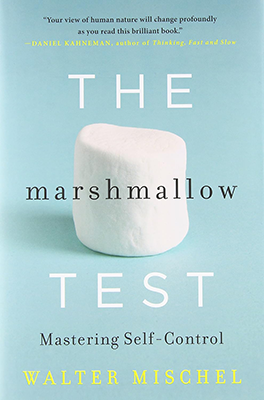
Quiz: The Marshmallow Test
1. What was the primary purpose of the original marshmallow test?
A) To measure children’s IQ levels
B) To examine the effects of sugar on behavior
C) To study delayed gratification and self-control
D) To assess nutritional preferences in preschoolers
Correct Answer: C
Explanation: The test was designed to study children’s ability to delay gratification and how that trait predicted future success.
2. In the marshmallow test, children were told they could eat one marshmallow now or…
A) Get two marshmallows if they waited
B) Trade it for a different snack
C) Share it with another child
D) Get a toy instead
Correct Answer: A
Explanation: The experiment assessed whether children could resist temptation for a larger reward later.
3. What did Mischel’s longitudinal research find about the children who delayed gratification?
A) They had better metabolic health in adulthood
B) They were more likely to become athletes
C) They tended to have better life outcomes, like higher SAT scores and better coping skills
D) They became more extroverted as adults
Correct Answer: C
Explanation: The follow-up studies found correlations between delay ability and academic, social, and emotional success.
4. According to the book, which of the following does NOT help improve self-control?
A) Reframing the reward
B) Distraction techniques
C) Willpower alone
D) Hot emotional focus on the reward
Correct Answer: D
Explanation: Focusing emotionally on the reward (“hot” system) makes delay harder; success comes from cooling strategies.
5. What is one of the key takeaways of The Marshmallow Test regarding self-control?
A) Self-control is fixed and unchangeable
B) Genetics determine our ability to delay gratification
C) Self-control can be learned and strengthened with practice
D) Children with low self-control are destined to fail
Correct Answer: C
Explanation: Mischel emphasizes that self-control is a skill that can be developed through strategies and support.