
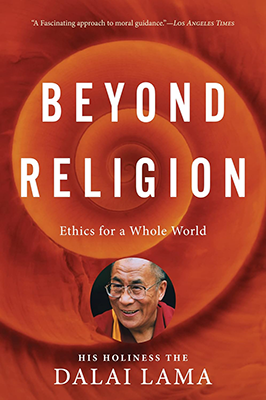
Beyond Religion
Beyond Religion
“Beyond Religion: Ethics for a Whole World” by the Dalai Lama presents a compelling argument for a secular approach to ethics that transcends religious boundaries. In this book, the Dalai Lama emphasizes the need for a universal ethical framework that can guide individuals and societies in navigating moral dilemmas and fostering global harmony. Here’s an extended summary of its key themes and concepts:
Key Themes and Structure
1. The Need for Universal Ethics:
The Dalai Lama argues that while religious traditions offer valuable ethical insights, they often lead to division and conflict. He calls for an ethical system based on shared human values that can unite people across different cultures and beliefs.
2. Human Values and Common Humanity:
The book emphasizes fundamental human values such as compassion, kindness, and respect. The Dalai Lama asserts that these values are innate to all human beings, regardless of their religious or cultural backgrounds. He advocates for recognizing our shared humanity as the basis for ethical behavior.
3. Secular Ethics:
The Dalai Lama introduces the concept of secular ethics, which is grounded in reason and the understanding of human well-being rather than religious doctrine. He argues that a secular approach can be more inclusive and adaptable, allowing for a broader dialogue about moral issues in diverse societies.
4. The Role of Compassion:
Compassion is a central theme in the book. The Dalai Lama discusses how cultivating compassion can lead to personal happiness and contribute to social harmony. He provides practical suggestions for developing compassion, including meditation and mindfulness practices.
5. Interdependence:
The author highlights the interconnectedness of all beings, emphasizing that our actions have consequences that extend beyond ourselves. Understanding this interdependence can encourage individuals to act ethically, recognizing the impact of their choices on others and the world at large.
6. Ethics in Action:
The Dalai Lama discusses the application of ethical principles in various areas of life, including politics, economics, and environmental stewardship. He calls for a moral approach to global issues, urging leaders to prioritize ethical considerations in decision-making.
7. Dialogue and Cooperation:
The book advocates for open dialogue and collaboration among people of different faiths and philosophies. The Dalai Lama believes that engaging in constructive conversations about ethics can lead to greater mutual understanding and respect, fostering a more peaceful world.
8. Global Responsibility:
The Dalai Lama emphasizes the importance of global responsibility in addressing contemporary challenges such as poverty, climate change, and violence. He urges individuals and societies to act ethically not only for their own benefit but also for the well-being of future generations.
9. Personal Responsibility and Reflection:
The author encourages individuals to engage in self-reflection and take personal responsibility for their ethical choices. He argues that by examining our motivations and actions, we can cultivate a deeper understanding of our values and how they influence our interactions with others.
Conclusion
“Beyond Religion: Ethics for a Whole World” is a profound exploration of how ethics can transcend religious and cultural divides. The Dalai Lama’s insights offer a vision for a more compassionate and interconnected world, where universal values guide individual and collective behavior. By advocating for a secular approach to ethics grounded in compassion and interdependence, the book serves as a call to action for individuals and societies to engage in ethical living that promotes harmony and well-being for all.