

Lesson 27: Lead by Example
Lead by Example
QUOTES
True leadership isn’t about issuing directives—it’s about embodying the values and behaviors you expect from others. People don’t follow titles; they follow authenticity. When you lead by example, you build credibility and trust, showing that your standards aren’t just talk. Whether it’s showing up on time, owning mistakes, staying calm under pressure, or going the extra mile, your actions set the tone for the entire team. Consistency between what you say and what you do signals integrity, which inspires loyalty and accountability. Leaders who model the culture they want to create foster environments where people feel safe, empowered, and motivated. On the other hand, disconnect between words and actions erodes morale and undermines leadership. Leading by example isn’t always easy—it requires discipline and self-awareness—but it’s how you earn respect and influence. Ultimately, people mirror what they see, not what they’re told. Be the example worth following.
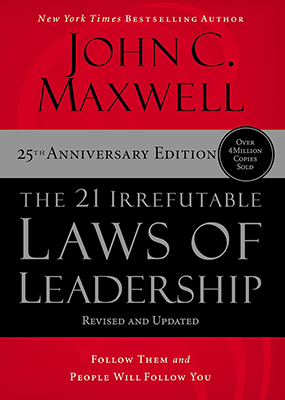
21 Laws of Leadership
The 21 Irrefutable Laws of Leadership by John C. Maxwell outlines essential principles that define effective leadership, drawn from decades of leadership experience and observation. Each of the 21 laws—such as the Law of the Lid (leadership ability determines effectiveness), the Law of Influence (true leadership cannot be mandated), and the Law of Process (leadership develops daily, not in a day)—illustrates a key truth about how great leaders grow and succeed. Maxwell combines practical advice with real-world examples from business, sports, and history to show how these laws operate in action. The book emphasizes that leadership is a learned skill rooted in character, vision, service, and growth. Whether you’re leading a team, organization, or yourself, these laws offer timeless guidance to elevate your impact and inspire others. Mastering these principles helps individuals lead with purpose, build trust, and drive lasting results in both personal and professional arenas.