
Broke - Invest Time and Energy
Being broke is often framed as a purely financial condition: no savings, no investments, no safety net. But a lack of money does not mean a lack of resources. Even when your bank account is empty, you still possess two assets of enormous potential value—your time and your energy. These are the raw materials from which wealth, competence, and freedom are ultimately built. While investing is usually defined as allocating capital to earn a return, the deeper truth is that investing is about allocating resources. Money is only one form of capital.
This distinction matters because roughly two-thirds of Americans live paycheck to paycheck, having saved little or nothing. For many, income barely keeps pace with expenses, and the idea of investing money feels unrealistic or even insulting. Some of these individuals are working multiple jobs, sacrificing rest and leisure simply to survive. Others, however, are not constrained by a lack of opportunity so much as a lack of direction. They may have time outside of work, but it is often consumed by non-productive activities—endless scrolling, passive entertainment, or habits that offer momentary relief but no long-term return.
The tragedy is not that people start broke; the tragedy is staying broke in an age where knowledge has never been more accessible. We live in a time when wisdom is just a few keyboard strokes away. Skills that once required expensive degrees or exclusive apprenticeships can now be learned online for free or at minimal cost. Coding, marketing, design, writing, finance, sales, and countless other high-value skills are available to anyone willing to invest consistent effort. More importantly, mindsets—how to think about money, discipline, risk, and long-term planning—are also learnable.
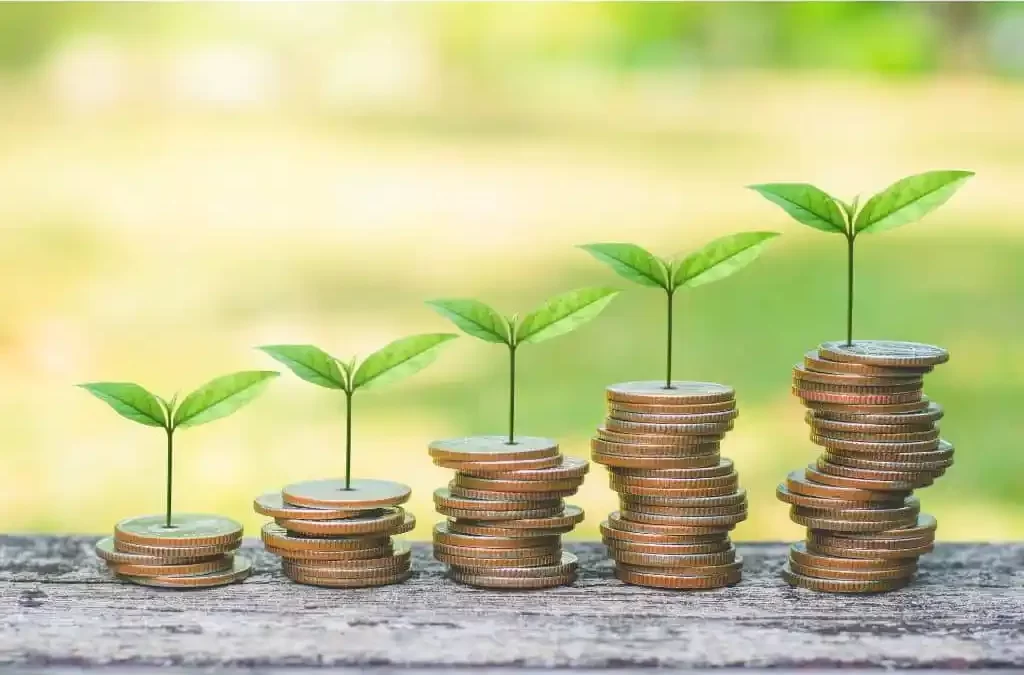
Time is a form of capital that renews daily but expires unused if wasted. Energy is the force that converts that time into action. When you invest these two wisely, the compounding effect can be dramatic. An hour a day spent learning a valuable skill may seem insignificant in the moment, but over months and years it can radically alter earning potential and life trajectory. The return on this kind of investment is not immediate, but it is often far greater than any short-term financial gain.
This perspective also restores a sense of agency. Being broke can feel disempowering, as if life is happening to you rather than being shaped by you. Recognizing that you still control how you deploy your time and energy reframes the situation. You may not yet have money working for you, but you can work on becoming someone who attracts opportunity, creates value, and eventually accumulates capital.
Ultimately, financial investing is downstream from personal investing. Before money can grow, the person managing it must grow. Skills create income. Mindsets guide decisions. Discipline sustains progress. Even if you are broke today, you are not bankrupt unless you squander the resources you still have. Time and energy, invested wisely, can become the foundation upon which future wealth is built.
Recent Comments