
Hope Is Not a Strategy
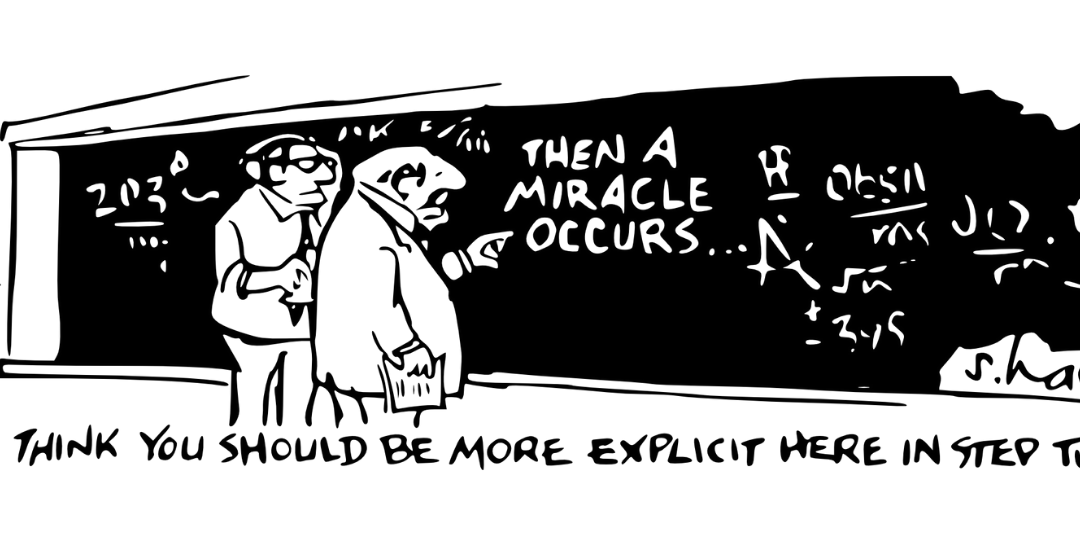
Many new business owners launch with enthusiasm, a strong vision, and a belief that if they do a few “right” activities, success will naturally follow. They post on social media, build a website, print business cards, or attend networking events and expect results to show up quickly. While those actions can be important, relying on them alone is often an over-simplification. This is why the phrase “hope is not a strategy” matters so much in business. Hope may inspire us to start, but it cannot replace planning, execution, and measurement.
Hope becomes dangerous when it turns into passive waiting. A business owner might hope that customers will find them, hope that referrals will increase, or hope that revenue will eventually stabilize. But without a clear plan tied to outcomes, hope can quietly cover up problems that need attention. For example, if a business is not getting sales, it may not be because the owner isn’t working hard—it may be because the offer is unclear, the pricing is off, the market is too small, or the marketing message doesn’t connect. Hoping things improve without identifying the real cause leads to wasted time and mounting frustration.
Real success is usually built through a series of steps and key metrics, not one magical activity. Businesses grow when owners understand what drives results and manage those drivers consistently. That could include lead generation, conversion rates, customer retention, average transaction size, profit margins, and cash flow. When those numbers are tracked, a business stops being a guessing game and becomes something that can be improved. Instead of saying, “I hope sales go up,” an owner can say, “I need 20 new leads per week to reach my monthly revenue goal,” and then take action based on that target.
That said, strategy is not only about planning—it’s also about doing. Taking action creates momentum, teaches lessons, and builds confidence. However, action without evaluation can lead to burnout. If you are constantly busy but not seeing results, the problem may not be effort—it may be direction. That is why monitoring progress and milestones is essential. It tells you what’s working, what’s not, and what needs adjustment.
This leads to one of the most valuable habits in entrepreneurship: persevere or pivot. Perseverance is powerful when progress is happening, even slowly. But pivoting is wise when the metrics show something is consistently broken. Businesses succeed when owners have the discipline to stay focused, the humility to learn, and the courage to change course when necessary.
In the end, hope is a great emotion—but a poor business plan. A real strategy is built on clear goals, measurable actions, and ongoing decisions based on results. Hope may start the journey, but strategy is what finishes it.
Recent Comments