
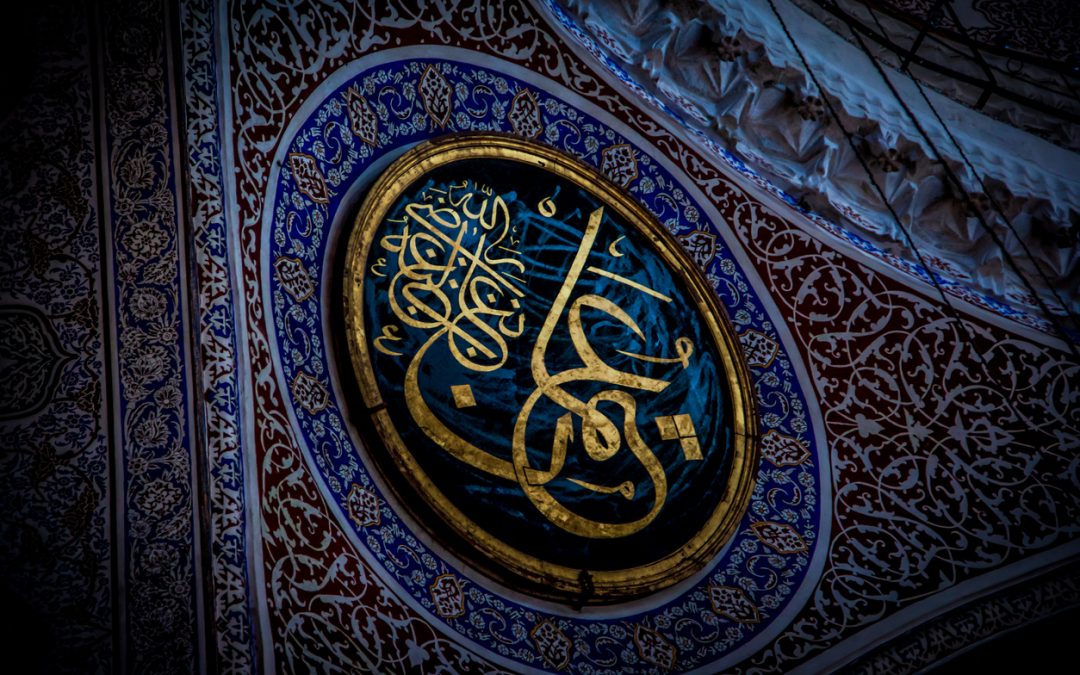
Muhammad's Teaching
Muhammad, the Prophet of Islam, is one of the most influential moral and spiritual leaders in human history. For Muslims, he is not only a messenger of God but also a living example of how to practice faith with integrity, compassion, and discipline. Even beyond religious belief, many of his teachings offer timeless guidance about character, justice, community, and personal responsibility. The best teachings of Muhammad emphasize not only devotion to God, but also ethical behavior toward people—especially the vulnerable, the marginalized, and those with less power.
One of Muhammad’s most important teachings is the centrality of mercy and compassion. Islam begins with the phrase, “In the name of God, the Most Merciful, the Most Compassionate,” and Muhammad’s example reinforced this theme in daily life. He taught that true strength is not found in domination or harshness, but in self-control and kindness. Compassion in his teaching was not sentimental; it was practical. It meant feeding the hungry, caring for the poor, supporting widows and orphans, and treating people with dignity regardless of status. Mercy was presented as a mark of spiritual maturity.
Another powerful teaching is truthfulness and integrity. Muhammad emphasized honesty in speech, fairness in business, and fulfilling promises. He taught that a person’s character is inseparable from their faith. In Islam, worship is not simply ritual; it is reflected in how a person treats others, handles responsibility, and speaks when it would be easier to lie. This teaching challenges people to be consistent—publicly and privately. Integrity builds trust, and trust builds strong communities.
Muhammad also taught the importance of justice. He emphasized that justice must apply to everyone, not only to the wealthy or powerful. His teachings warned against oppression, exploitation, and corruption. Justice in Islam is not only a legal concept, but a moral obligation. It includes protecting the rights of others, standing against wrongdoing, and refusing to participate in unfair systems. Muhammad’s leadership showed that real morality requires courage—because doing what is right is not always comfortable or popular.
A key teaching associated with Muhammad is the value of humility. Despite his leadership role, he lived simply and warned against arrogance, pride, and showing off. Humility in his teaching meant recognizing that all people are equal in worth and that status does not make someone superior. He taught that pride is spiritually destructive because it blinds people to their flaws and causes them to look down on others. Humility, by contrast, keeps a person teachable, grounded, and compassionate.
Muhammad’s teachings also emphasize self-discipline. He encouraged believers to practice patience, control their anger, and resist destructive impulses. This discipline includes managing speech, desires, and reactions. Fasting during Ramadan is one example of this principle: it trains the mind and body to endure discomfort, develop gratitude, and build empathy for those who struggle. In this sense, spiritual growth is not just belief—it is training.
Another major contribution is his teaching on community and responsibility. Islam emphasizes that people are accountable not only for personal behavior but also for the well-being of those around them. Muhammad encouraged unity, mutual support, and reconciliation. He taught that caring for family, neighbors, and society is part of worship. A person is not truly successful if they ignore others while pursuing their own comfort.
In summary, the best teachings of Muhammad center on mercy, justice, honesty, humility, discipline, and social responsibility. These teachings form a moral framework that calls people to live with integrity and compassion. Whether approached as religious guidance or ethical wisdom, they remain powerful principles for building a meaningful life and a more just and humane world.
Recent Comments