
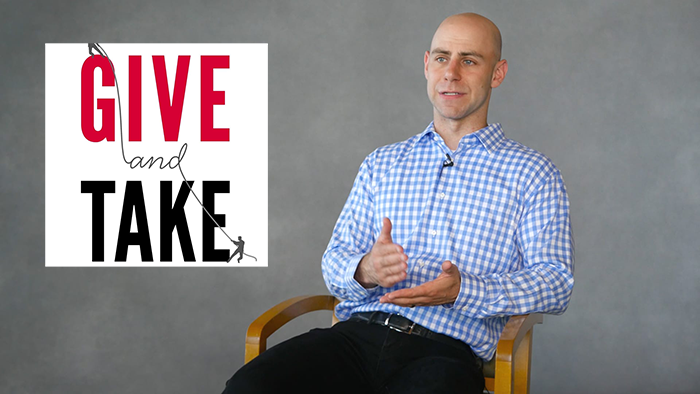
Givers, Matchers, and Takers
In Adam Grant’s Give and Take, success isn’t explained only by talent, ambition, or hard work. Instead, Grant suggests that the way we interact with others—what we contribute, what we expect, and how we build relationships—can shape our careers and our lives. He divides people into three broad categories: givers, matchers, and takers. Each type approaches helping, networking, and collaboration differently, and understanding these styles can reveal why some people rise while others burn out.
Takers are often the easiest to identify. They enter relationships asking, “What can you do for me?” Takers seek to gain as much as possible while giving as little as necessary. They may appear confident, ambitious, and strategic, and in competitive environments they can initially seem like natural winners. Takers tend to claim credit, prioritize personal success, and treat interactions as stepping stones. While this approach can create short-term wins, it also has limits. Over time, people begin to notice patterns. Trust weakens, reputations suffer, and opportunities disappear when others refuse to cooperate or recommend them. In a world where careers rely on teamwork and reputation, takers often pay a hidden long-term cost.
Matchers, on the other hand, live by fairness and balance. Their mindset is, “I’ll help you if you help me,” or “I’ll return what you gave.” Matchers keep score—not necessarily in a negative way, but in a way that protects equality. They don’t want to owe anyone, and they don’t want anyone owing them too much either. Matchers often stabilize communities because they reward kindness and push back against exploitation. They are the ones who ensure that takers don’t dominate the system. In many workplaces, matchers form the majority, creating an environment where cooperation is encouraged but accountability still exists. Their sense of justice makes them reliable colleagues and trusted partners.
The most intriguing group is the givers. Givers consistently look for ways to support others without immediately expecting something in return. Their internal question is, “What can I contribute?” At first glance, givers may seem at risk of being taken advantage of. In fact, Grant notes that some givers end up at the bottom of the success ladder because they give too much, too fast, or without boundaries. Yet givers also appear at the very top of the ladder. The difference lies in how they give. Successful givers combine generosity with wisdom: they help in ways that are impactful, sustainable, and aligned with their strengths. They build trust, strengthen networks, and inspire loyalty.
Grant’s message is not that giving guarantees success, but that strategic generosity creates powerful ripple effects. Givers raise the level of those around them, and in doing so, they often elevate themselves as well. In the long run, strong relationships, credibility, and a reputation for helping can become advantages that no résumé can replace. Give and Take ultimately encourages us to consider not just what we achieve, but how we achieve it—and who we bring with us along the way.
Recent Comments