
Need to Mind Your Manners?
Basic manners may seem like a small detail in a world focused on achievement, speed, and productivity, but they carry far more power than many people realize. Courtesy, respect, and politeness are not just “nice behavior”—they are social tools that influence how others perceive us, trust us, and decide whether we belong in certain spaces. In many situations, manners function as a kind of invisible currency. They can open doors, strengthen relationships, and quietly shape opportunities. While some dismiss etiquette as outdated or superficial, social reality suggests the opposite: manners often act as a form of social signaling, communicating class, education, emotional maturity, and cultural awareness—sometimes before you ever speak about your talents or intentions.
At their best, manners are simply a way of making life smoother for everyone. Saying “please” and “thank you,” listening without interrupting, showing gratitude, and acknowledging others’ dignity creates an atmosphere of respect. These small actions reduce friction and increase cooperation. They also demonstrate self-control, which is a key trait in leadership, friendship, and love. A person with good manners signals that they can regulate their emotions, think beyond themselves, and be trusted in social settings. In professional environments, this can matter as much as competence. People often prefer working with someone who is respectful and easy to deal with, even if someone else is technically more skilled.
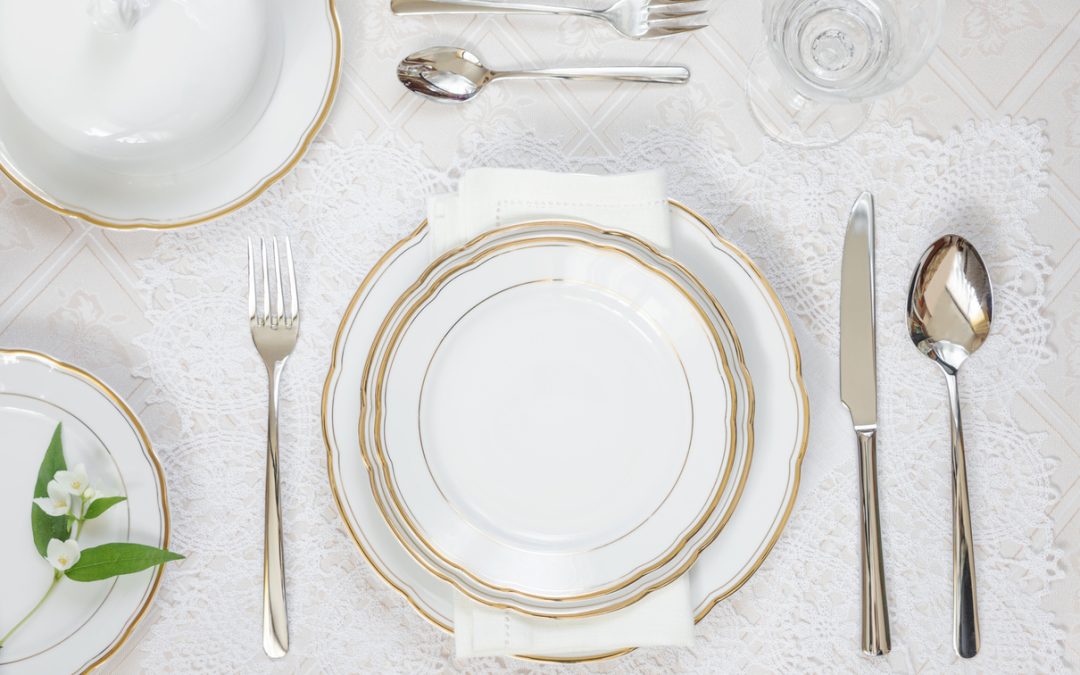
But manners also carry another layer: they are a form of cultural code. In certain societies, etiquette has historically been used to separate the aristocrat from the peasant, the insider from the outsider. Knowing which fork to use, when to stand, how to greet someone properly, and how to speak with grace has often been tied to education and status. Even today, these signals happen subconsciously. People may not openly admit it, but they often read manners as evidence of “being raised well” or “belonging.” This isn’t always fair, and it doesn’t reflect a person’s true heart or character—but it is a real social dynamic.
Romantic films like Pretty Woman and My Fair Lady dramatize this truth. In these stories, transformation is not only about appearance—it’s about behavior. The main character learns how to move, speak, dress, and interact in ways that fit a higher social world. These films reveal how quickly society can change its judgment when someone adopts social graces. It’s not that the person became more valuable internally overnight—it’s that they learned the external signals that others associate with sophistication. The audience is reminded, in a dramatic way, that social belonging is often decided by cues that happen beneath conscious awareness.
This is why learning basic manners can be an effective way to move up social ladders quickly. Social graces act like a passport: they don’t guarantee success, but they can grant access. Whether it’s a job interview, networking event, family dinner, or first date, people are often assessing you based on how you treat others and how you conduct yourself under pressure. Unfortunately, someone may judge you by your table manners before they understand your values, intelligence, or integrity. They may decide whether to include you long before they learn what you “bring to the table.”
In the end, manners are not about pretending to be better than others—they are about showing respect and understanding the world as it is. Politeness is power when paired with sincerity. If you want more opportunities, stronger relationships, and greater influence, don’t overlook the basics. Manners may seem small, but their impact is enormous.
Recent Comments