
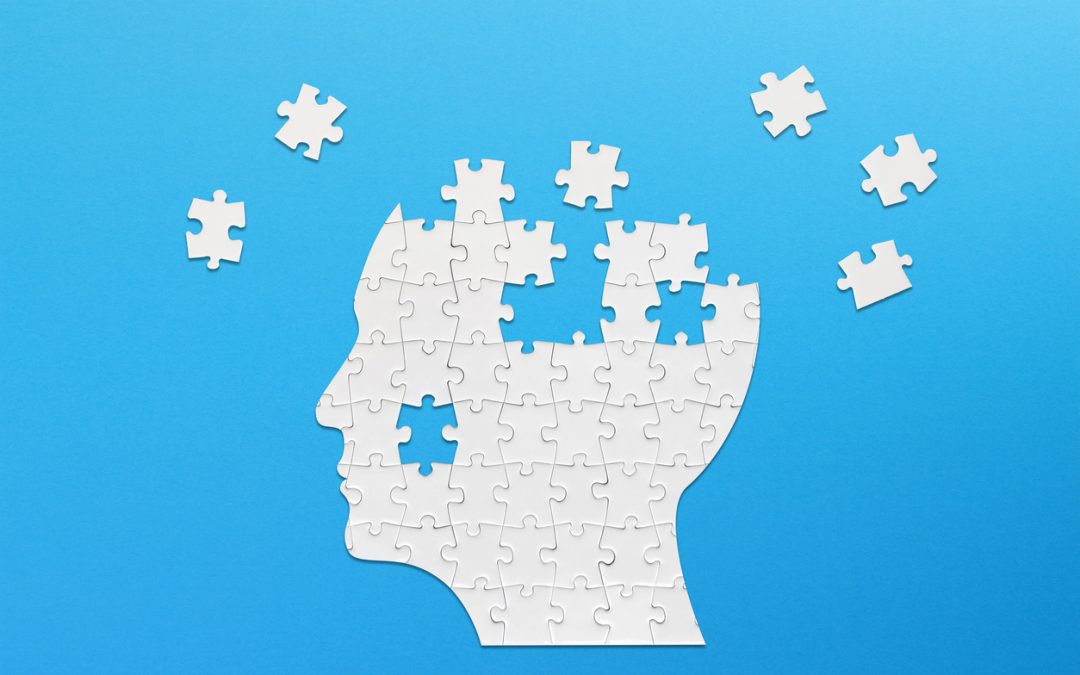
Cognitive Dissonance, Bias, and Neural Plasticity
Cognitive dissonance, cognitive bias, and neural plasticity describe three interlocking parts of human psychology: how we think, how we protect our self-image, and how we change over time. Together, they explain why people can be intelligent yet irrational, sincere yet inconsistent, and capable of transformation yet stubbornly resistant to it.
Cognitive dissonance is the mental discomfort we feel when our beliefs, values, or self-concept clash with our actions or new information. For example, a person may believe they are honest, yet they lie to avoid consequences. The tension between “I’m an honest person” and “I just lied” creates dissonance. Rather than changing behavior, many people reduce dissonance by adjusting their interpretation: “It wasn’t really a lie,” or “Anyone would have done the same.” This is not mere hypocrisy—it is the mind’s attempt to preserve psychological coherence. Dissonance is painful because it threatens our sense of integrity and identity.
Cognitive biases are predictable patterns of distorted thinking that influence judgment. These biases are not random flaws; many function as heuristics—mental shortcuts that allow the brain to make fast decisions with limited information. From an evolutionary standpoint, shortcuts can be lifesaving. If early humans heard rustling in the bushes and assumed danger, they might run first and analyze later. A false alarm costs little; ignoring a real predator costs everything. Biases such as “negativity bias” (giving more weight to threats) or “availability bias” (overestimating what comes easily to mind) can be seen as survival-oriented efficiency tools. The brain is not designed to be perfectly logical—it is designed to keep us alive, conserve energy, and make workable decisions quickly.
However, these biases can become harmful in modern contexts. Confirmation bias, for instance, leads people to search for information that supports their existing beliefs while ignoring evidence that challenges them. This can distort politics, relationships, and even health decisions. Another example is the “fundamental attribution error,” where we judge others’ mistakes as character flaws (“they’re lazy”) but explain our own mistakes as situational (“I was overwhelmed”). These biases can create social conflict, resentment, and moral blind spots without us realizing it.
Neural plasticity adds a hopeful dimension to this picture. Plasticity refers to the brain’s ability to change its structure and functioning based on experience, practice, and environment. Our beliefs and habits are not fixed traits; they are patterns reinforced by repetition. The more we think a certain way, the more automatic it becomes, like a mental trail carved deeper with each use. But plasticity means we can carve new trails. Therapy, intentional reflection, education, and habit-building can weaken old patterns and strengthen healthier ones. For example, someone who practices gratitude may gradually reduce their negativity bias, while someone who trains empathy may become less reactive and more curious about others’ perspectives.
Are there moral implications to all of this? Yes, though they are complicated. Biases can reduce responsibility if we treat them as uncontrollable instincts. But understanding bias does not erase accountability—it clarifies the battlefield. If we know our minds naturally defend our ego through dissonance reduction, then maturity requires humility: a willingness to admit when we were wrong and revise our beliefs. Morality is not only about what we choose, but also about whether we are willing to see clearly.
In the end, cognitive dissonance explains why we rationalize, cognitive biases explain why we misjudge, and neural plasticity explains why we can grow. The challenge—and the opportunity—is to use awareness and practice to become less automatic and more intentional, turning mental shortcuts into thoughtful choices.
Recent Comments