
WINcarceration
Prison takes something from everyone who enters it: freedom of movement, privacy, and control over daily life. It can strip a person of identity and reduce them to a number, a routine, and a sentence. But while prison can limit your environment, it does not have to destroy your growth. “Wincarceration” is the mindset of making the best out of incarceration—turning a season of confinement into a season of (refinement) development. It is choosing to treat prison time not only as punishment, but as a personal turning point. The walls may be real, but so is the opportunity to rebuild.
The first step in Wincarceration is accepting reality without surrendering your future. Denial keeps a person stuck, angry, and reactive. Acceptance does not mean approval—it means clarity. When you accept where you are, you stop wasting energy fighting what cannot be changed and start focusing on what can be controlled: your habits, your thoughts, your discipline, and your growth. That shift alone can change the meaning of your time inside.
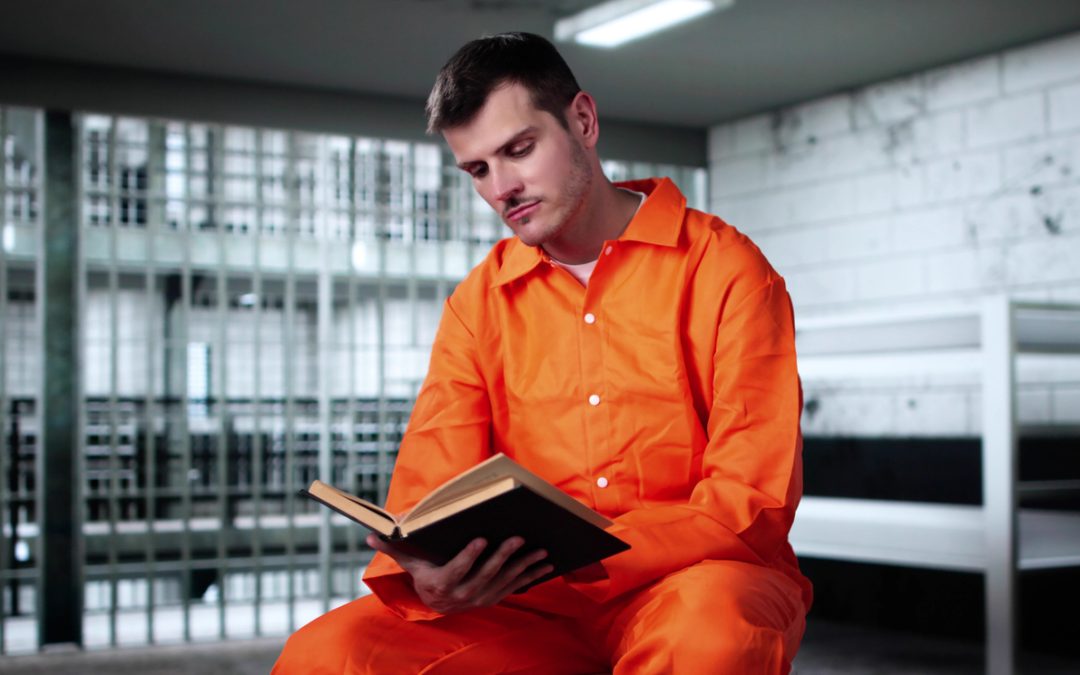
One of the most powerful ways to win in prison is through reading. Books can become a lifeline, a mentor, and a doorway to a new identity. Reading self-development material helps you understand how people change, how discipline is built, and how habits shape destiny. Reading biographies teaches lessons from people who overcame hardship. Reading business books can plant seeds for entrepreneurship. Reading history and philosophy widens perspective and prevents your world from shrinking to the size of your cell. In prison, knowledge is more than power—it’s survival. Every page read is a brick laid in the foundation of your next life.
Writing is another essential part of Wincarceration. Writing is how you process pain instead of being controlled by it. It helps you make sense of your story, confront your choices, and separate who you are from what you’ve done. Journaling can turn chaos into clarity. Letters can rebuild relationships. Essays can sharpen your mind. A personal plan can become a roadmap out. Writing also builds communication skills, and communication is one of the most valuable tools anyone can carry into the world.
Learning new skills is the third pillar. Prison time can be a training ground if you treat it that way. Some skills are practical: trades, fitness, cooking, or vocational certifications. Others are internal: emotional control, patience, conflict management, and self-awareness. The world outside rewards people who can solve problems, stay consistent, and work with others. A person who develops those traits behind bars is building a competitive advantage. Instead of leaving prison only with time served, they leave with value earned.
Wincarceration also includes daily structure. Consistency is the bridge between intention and transformation. You don’t need perfect conditions to build discipline—you need repetition. A simple routine of reading every day, writing every day, exercising, and working on a skill is enough to create change. Small habits compound, even in prison. The days pass either way. The question is whether you will grow as they do.
Ultimately, Wincarceration is the decision to turn captivity into construction. It is the refusal to let prison become a dead season. It is taking responsibility, choosing growth, and building a future while you still have time to prepare. Prison may take your freedom for a while, but it does not have to take your purpose. You can serve time—or you can use it.
Recent Comments