
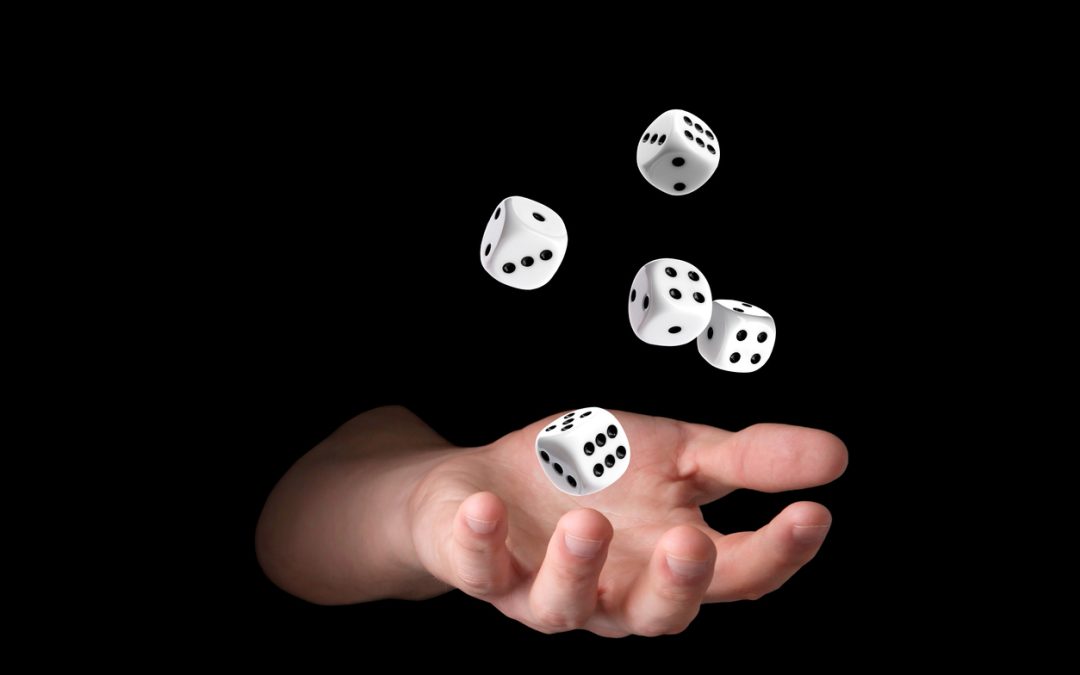
Luck is Randon
Luck is one of the most misunderstood forces in human life. People often talk about luck as if it were a personality trait—something you “have” or “don’t have.” Others treat it like a moral scoreboard, assuming good luck is a reward and bad luck is a punishment. But in reality, luck is often simply randomness: unpredictable outcomes that occur outside our control. Sometimes we experience good luck, and sometimes we experience bad luck, and the truth is that neither is a perfect reflection of our worth, effort, or character. Luck is the part of life that reminds us we are not fully in charge.
Good luck can show up as unexpected opportunity: being in the right place at the right time, meeting the right person, getting a job offer that you didn’t deserve on paper, stumbling into an idea that works, or avoiding a disaster by sheer timing. Bad luck can look like the opposite: illness, accidents, layoffs, natural disasters, unfair setbacks, and losses that happen despite doing everything “right.” Both kinds of luck can feel personal, but they aren’t necessarily personal. Often they are simply the result of probability, timing, and factors too complex to predict. Luck is a reminder that life is not always logical or fair.
One of the most important lessons about luck is recognizing how little control we have over pure chance events. You can drive safely and still get hit by another driver. You can prepare carefully and still miss an opportunity because the economy shifts. You can work hard and still lose to someone who started ahead. Even the most disciplined person is still living inside a world of uncertainty. Accepting this reality is not pessimism—it is clarity. It helps people stop blaming themselves for every misfortune, and it helps them stop becoming arrogant when things go well. When we understand the role of luck, we begin to see life more realistically.
This perspective is also important spiritually and emotionally. Many people interpret luck as God sending messages: blessings for good behavior and punishment for failure. While faith can offer comfort and meaning, it becomes dangerous when every random outcome is treated like divine approval or condemnation. If good fortune means “God loves me,” then bad fortune can easily become “God is against me.” That creates unnecessary guilt, shame, and fear. Life’s randomness does not automatically mean God is rewarding or punishing us. Sometimes pain is just pain. Sometimes success is just timing. Not everything carries a moral message.
Recognizing luck as random can actually be liberating. It reduces the pressure to make every outcome mean something about your identity. If you fail, it may not mean you are doomed—it may mean circumstances were unfavorable. If you succeed, it may not mean you are superior—it may mean conditions aligned. This doesn’t erase responsibility or effort, but it puts both in the correct place. We can control our choices, preparation, and attitude, but we cannot control every outcome. Wise living means focusing energy where it matters: on what we can influence, not what we cannot.
At the same time, luck doesn’t mean life is meaningless. It simply means that the human experience includes unpredictability. What matters is how we respond when luck changes. Good luck gives us the chance to build something, give something, or grow something. Bad luck tests our resilience and character. In both cases, we still have choices. We can waste good luck through arrogance or complacency, or we can steward it with gratitude and humility. We can be crushed by bad luck through bitterness and despair, or we can face it with courage and adaptation.
In the end, luck is real, and it is random. Sometimes it lifts us. Sometimes it knocks us down. But the key is remembering that luck is not a verdict on our value. It is simply a reminder that we live in a world where not everything is earned—and not everything is deserved. The best way to live is to do what we can, accept what we can’t, and remain steady through both the fortunate and the unfair.
Recent Comments