
Learning the Right Lessons from Experience
We often assume that experience is the best teacher, but the truth is more complicated: experience teaches us something, yet it does not always teach us the right lesson. Human beings are meaning-making creatures. When something painful, confusing, or intense happens to us, we instinctively try to explain it. We form conclusions about ourselves, about others, and about how the world works. Those conclusions become “lessons.” But if the lesson is inaccurate or exaggerated, it can quietly shape our lives in harmful ways for years.
This is especially true when the experience happens in childhood. Children are constantly gathering evidence about reality, but they do not have adult logic, context, or emotional tools. They interpret life through a limited lens. A child who is ignored may conclude, “I don’t matter.” A child who is criticized may conclude, “I’m not good enough.” A child who sees conflict at home may conclude, “Relationships aren’t safe.” These conclusions are not always consciously chosen—they become emotional instincts. The child doesn’t say, “I’m forming a belief system.” The child simply adapts to survive emotionally. In that moment, the “wrong” lesson may actually be a protective strategy. But what protected the child can imprison the adult.
For example, a child who grows up in an unpredictable environment might learn to be hyper-aware, overly responsible, or constantly anxious. That sensitivity may keep them safe at the time, but later it can become chronic stress, perfectionism, or control issues. Another child might learn that expressing emotion leads to punishment or rejection, and they adapt by becoming emotionally shut down. As an adult, they may struggle with intimacy, vulnerability, or genuine connection—not because they lack love, but because they learned early that love requires self-protection. In both cases, the lesson wasn’t deliberately chosen. It was absorbed.
The danger is that we often carry these early distinctions into adult life without examining them. We treat them as facts rather than interpretations. We assume, “People can’t be trusted,” “I have to earn love,” or “If I relax, everything will fall apart.” Over time, these beliefs become self-fulfilling. If you assume people can’t be trusted, you may keep them at a distance, and then feel lonely. If you assume love must be earned, you may overperform and resent others. If you assume rest is dangerous, you may burn out and wonder why life feels so heavy. In each case, the quality of life declines—not because the person lacks ability, but because they are living through an old conclusion that no longer fits reality.
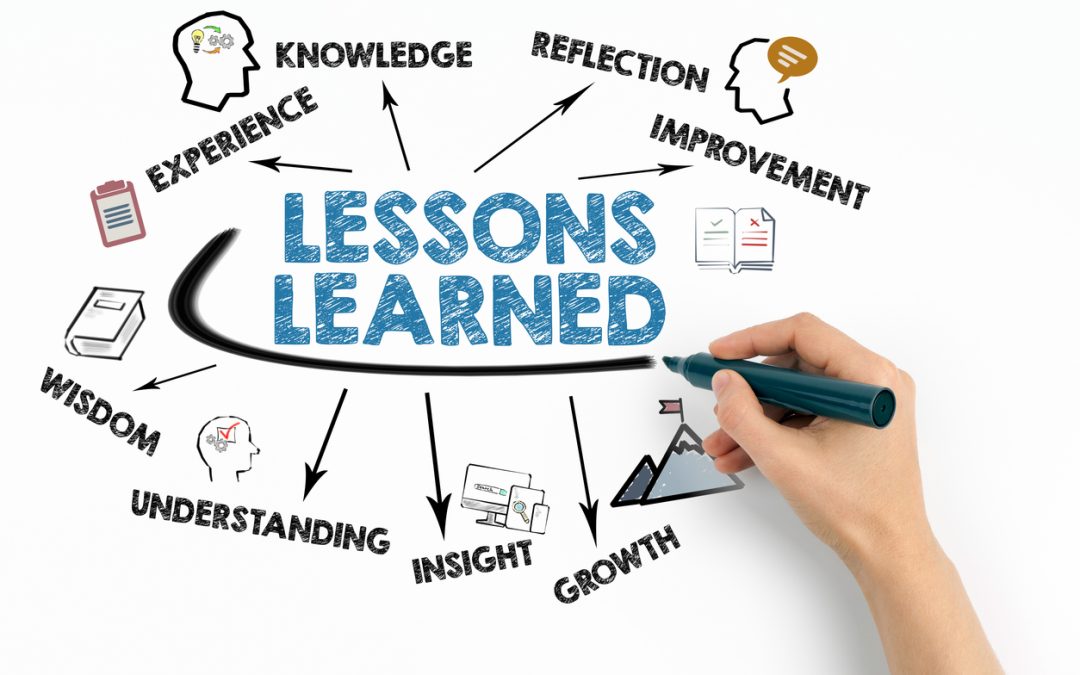
This is why genuine reflection matters. Reflection is the process of revisiting our internal lessons and asking: Is this true? Is this always true? Is this still true? Growth often requires separating the event from the meaning we assigned to it. The event may be real, but the meaning we attached to it may be distorted. A painful rejection might not mean you are unworthy. A mistake might not mean you are doomed. A harsh parent might not mean love is conditional. Without reflection, we live as if those assumptions are permanent laws.
The quality of our life is often the result of the quality of our distinctions. Distinctions are the categories and interpretations we use to understand the world: what we label as danger, what we label as love, what we interpret as failure, what we interpret as opportunity. If our distinctions are shallow or inaccurate, we will misread situations, sabotage relationships, and make choices based on fear rather than truth. But if our distinctions become more refined, we gain freedom. We start seeing nuance instead of extremes. We stop reacting like a child and begin responding like an adult.
Ultimately, wisdom isn’t just having experiences—it’s learning the right lesson from them. And that requires humility, courage, and honest reflection. We can’t change what happened, but we can change what it means. And when we do, our past becomes less like a prison and more like a teacher.
Recent Comments