
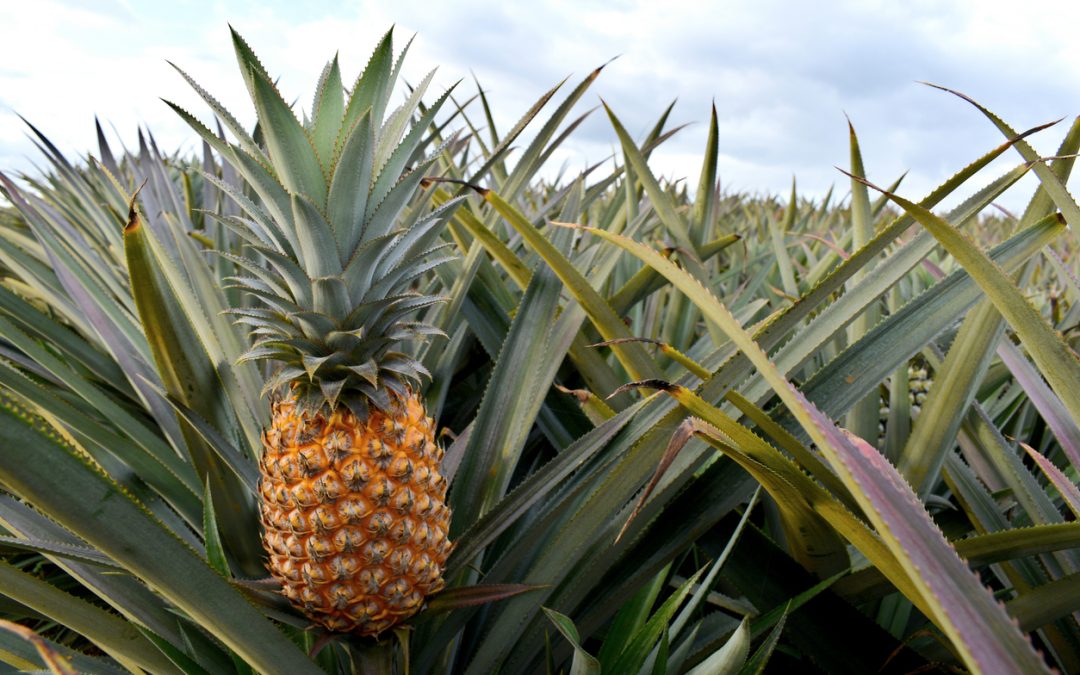
Growing Pineapples
Growing a pineapple is a quiet lesson in patience and delayed gratification. Unlike many fruits that reward effort within a single season, pineapples move at their own pace. From planting to harvest, a pineapple typically takes 18 to 24 months, and sometimes longer. During much of that time, nothing dramatic happens. There is no visible fruit, no immediate payoff—just leaves growing slowly outward. For anyone used to quick results, pineapple cultivation can feel almost frustrating. And that is exactly why it makes such a powerful metaphor for long-term growth in life.
When you first plant a pineapple, all you have is a crown or small shoot placed into soil. There is no promise of success beyond the hope that conditions are right. For months, the plant focuses entirely on building strength. It develops roots and thick, spiky leaves that store energy. This phase can last a year or more, and to the untrained eye it looks like nothing is happening. But beneath the surface, essential work is being done. The plant is preparing for something that cannot happen too early. If a pineapple tried to produce fruit before it was ready, it would fail. Growth has a sequence, and the plant respects it.
Only after enough time has passed does the pineapple flower. This moment feels almost magical because it arrives quietly and without announcement. One day, where there was only foliage, a flower spike appears. Then, slowly, the fruit begins to form. Even now, patience is required. The pineapple does not rush. It takes another six to seven months for the fruit to fully develop and ripen. The sweetness that makes pineapple so desirable is not instant—it is the result of time, sunlight, and steady accumulation of energy.
This process mirrors how meaningful achievements in life are often built. Real growth rarely provides constant feedback. People often abandon long-term goals because they don’t see immediate progress. Learning a skill, building a career, improving health, or developing character can feel like tending a pineapple plant. For long stretches, it seems like nothing is happening. But growth is still occurring, just not in a way that produces instant reward. Delayed gratification means trusting the process even when the payoff is distant.
Pineapples also teach that reward comes once—and only once per cycle. A pineapple plant produces a single fruit. That fruit represents the accumulation of months of discipline and care. You cannot rush it, and you cannot demand more than the plant can give. This is a reminder that overexertion or impatience often backfires. In life, pushing too hard for outcomes before foundations are built can lead to burnout or failure. Sustainable success respects natural limits and timing.
After harvest, the plant produces new shoots, called pups, which can be replanted. These offshoots grow faster than the original plant because they inherit strength from the parent. This mirrors how experience compounds. The first success takes the longest. Subsequent successes often come faster because skills, confidence, and systems are already in place. What once took years may later take months.
In a culture obsessed with speed and instant results, growing a pineapple feels almost rebellious. It reminds us that not everything valuable can be rushed. Some rewards are sweeter precisely because they take time. Delayed gratification is not about deprivation—it is about investment. The pineapple teaches that patience, consistency, and respect for natural growth cycles eventually lead to something worth waiting for.
Recent Comments