
Malcolm's Rules for Mastery
Malcolm Gladwell’s popularization of the 10,000-hour rule in Outliers gave people a simple but powerful way to think about mastery. The idea is straightforward: world-class expertise in complex fields tends to require roughly 10,000 hours of deliberate practice. While the number itself is not a magical threshold, the deeper insight is that greatness is usually built through sustained effort over time rather than raw talent alone. Mastery is less about sudden brilliance and more about showing up, again and again, long enough for skill to compound.
Gladwell emphasized that the rule applies most clearly to fields that are cognitively complex—music, chess, athletics, programming, and entrepreneurship. These are domains where feedback is rich, mistakes matter, and improvement is measurable. What separates top performers from the rest is not just intelligence or passion, but access to opportunities that allow for deep, repeated practice. Time, environment, and repetition matter as much as ability.
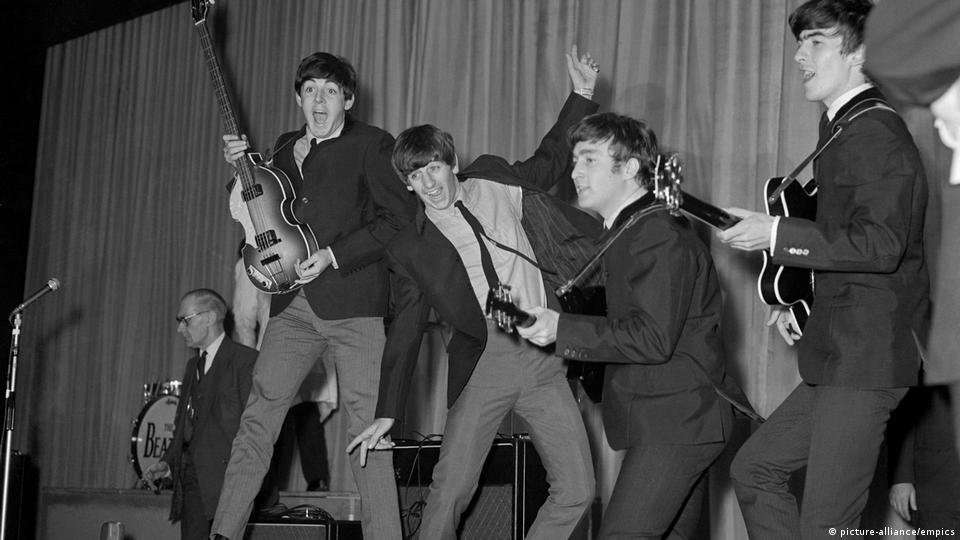
One of Gladwell’s most famous examples is the Beatles. Before they became international icons, the band spent years performing in Hamburg, Germany, playing marathon sets—sometimes eight hours a night, seven days a week. By the time they broke through globally, they had accumulated thousands of hours of live performance. This wasn’t glamorous work. It was repetitive, exhausting, and unforgiving. But it forced them to experiment, refine their sound, handle audiences, and develop cohesion as a group. When fame arrived, it looked like sudden success—but it was built on a foundation of intense, invisible preparation.
The same pattern appears in other domains. Chess grandmasters often begin playing seriously in childhood and accumulate years of study and competition before reaching elite levels. Elite athletes spend countless hours training fundamentals long before winning championships. Programmers who seem to “effortlessly” build complex systems often have decades of coding behind them. In each case, mastery emerges slowly, through accumulation rather than inspiration.
An important nuance of the 10,000-hour rule is that not all practice is equal. Simply spending time is not enough. The hours must involve deliberate practice—focused effort aimed at improving specific weaknesses, with feedback and adjustment. Playing the same easy songs on guitar for years won’t create mastery. Neither will repeating comfortable routines in business or sports. Growth comes from stretching beyond what feels natural and correcting mistakes over time.
Gladwell also stressed that opportunity plays a major role. Not everyone has equal access to the time, resources, or encouragement needed to accumulate 10,000 hours. The Beatles had access to a unique performance environment. Many successful people benefited from mentors, timing, or cultural conditions that allowed them to practice extensively. This doesn’t diminish their effort—it contextualizes it. Mastery is personal, but opportunity shapes who gets the chance to pursue it fully.
Critics rightly point out that the 10,000-hour rule can be oversimplified. Some people reach high levels with fewer hours, others need more, and innate differences do exist. But the value of the rule lies in what it discourages: the myth of overnight success. It reframes excellence as something built patiently rather than discovered suddenly.
Ultimately, the 10,000-hour rule is less about a specific number and more about a mindset. It teaches that mastery is earned through commitment, resilience, and long-term focus. Whether in music, business, or personal growth, the path to excellence is rarely glamorous. It is made of long stretches of quiet effort. And like the Beatles before the spotlight, those who are willing to put in the hours often look “lucky” only after the work is done.
Recent Comments