
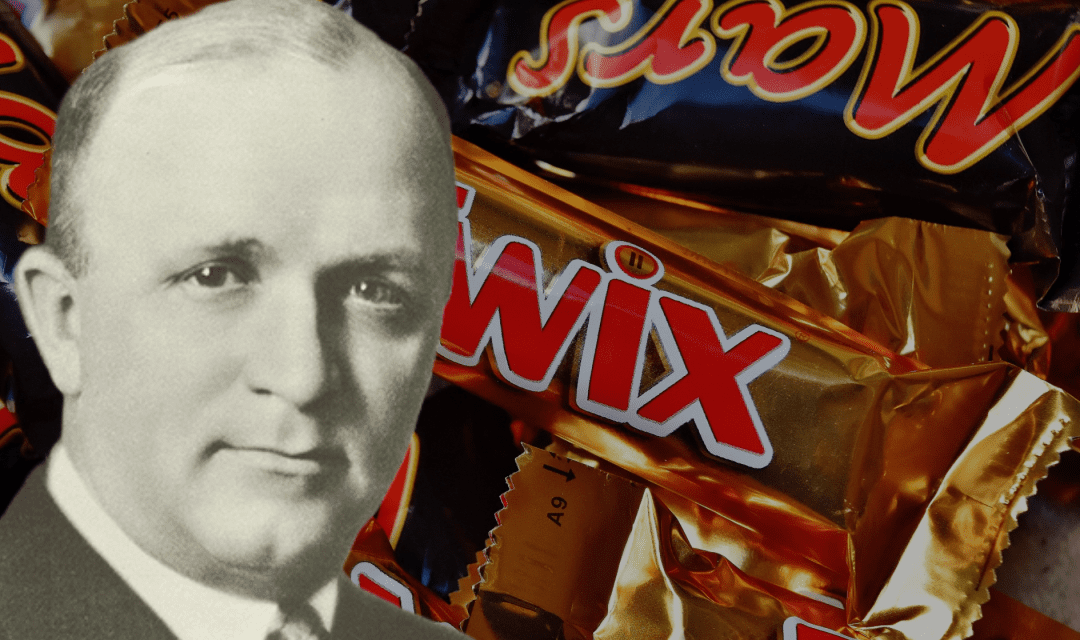
Frank Mars, the founder of Mars, Incorporated, is a classic example of quiet perseverance leading to extraordinary impact. Unlike many celebrated industrialists, Frank Mars did not achieve early success, fame, or wealth. In fact, much of his life was marked by failure, illness, and repeated setbacks. Yet through persistence, craftsmanship, and an instinct for consumer tastes, he built one of the most enduring food companies in the world—one that would later become synonymous with some of the most recognizable brands on the planet.
Frank Mars was born in 1883 in Minnesota. As a child, he suffered from polio, which limited his physical activity and kept him indoors for long stretches. During this time, his mother taught him how to hand-dip chocolates. This seemingly small skill became foundational. Candy-making was not a grand ambition at first; it was simply something he could do well. Mars carried this practical knowledge into adulthood, even as early business attempts repeatedly failed.
His first ventures in candy manufacturing struggled. Frank Mars started and lost several businesses, often due to poor timing, lack of capital, or limited distribution. By middle age, he had experienced enough setbacks that many would have given up. Financial instability followed him for years, and his personal life was strained as well, including a divorce that distanced him from his son, Forrest Mars. For a long time, success remained elusive.
Mars’s breakthrough finally came in the 1920s, when he founded what would become the Mars Company. His key insight was not technological but consumer-focused: people wanted affordable, satisfying treats during an era when luxuries were limited. His first major hit was the Milky Way bar, introduced in 1923. Unlike traditional solid chocolate bars, the Milky Way used whipped nougat and caramel covered in chocolate, allowing it to feel indulgent while using less chocolate. It was filling, affordable, and scalable—perfectly suited to mass production and broad appeal.
The Milky Way was a success, followed by other iconic products such as the Snickers bar, introduced in 1930 and named after the Mars family horse. These products reflected Frank Mars’s core strengths: simplicity, consistency, and an intuitive understanding of what everyday consumers wanted. He focused relentlessly on quality control and repeatability, ensuring customers could trust the product no matter where they bought it.
Despite his growing success, Frank Mars remained a private and disciplined businessman. He believed in reinvesting profits, controlling costs, and maintaining independence. He also laid the groundwork for a company culture that valued long-term thinking over short-term gains. Although his relationship with Forrest Mars was complicated, the foundation Frank built allowed his son to later expand the company into a global empire.
Frank Mars died in 1934, relatively early in the company’s history, and did not live to see the full scale of what Mars, Incorporated would become. Yet his legacy is immense. He transformed repeated failure into durable success by mastering a craft, learning from mistakes, and patiently refining products that people genuinely loved.
Frank Mars’s life is a reminder that success does not always arrive early—or loudly. Sometimes it comes after decades of trial, through persistence rather than brilliance. His story shows that building something lasting often begins with humble skills, resilience in the face of failure, and an unwavering focus on delivering simple value exceptionally well.
Recent Comments