
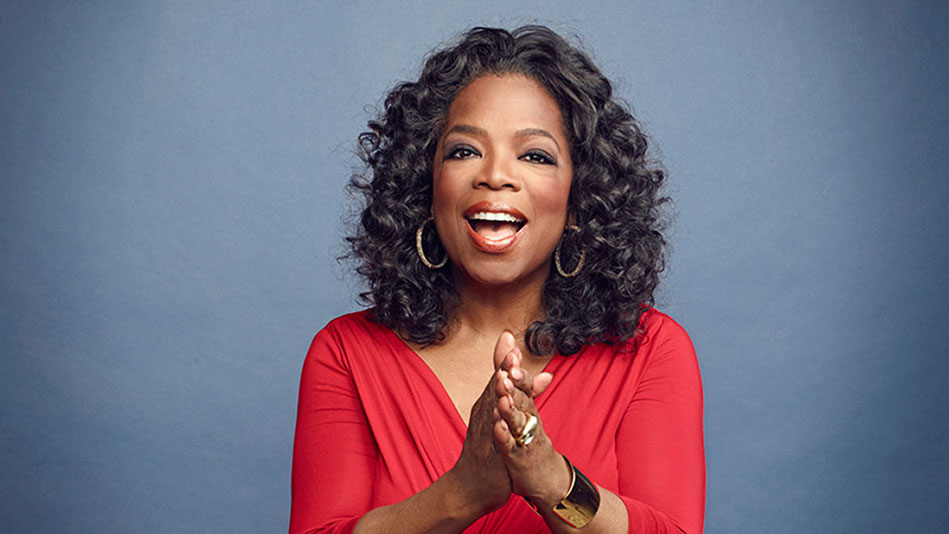
Oprah-From Poverty to Philanthropy
Oprah Winfrey’s life is one of the most remarkable transformation stories of the modern era. Rising from deep poverty and trauma to become one of the most influential media figures in the world, her journey illustrates how resilience, empathy, and purpose can reshape a life—and, in her case, an entire culture.
Oprah Gail Winfrey was born in 1954 in rural Mississippi to a teenage single mother. Her early childhood was marked by extreme hardship. She grew up in poverty, wearing clothes made from potato sacks and living in unstable environments. As a child, she endured repeated abuse, an experience that left lasting emotional scars. By her early teens, she was sent to live with her father in Nashville, a turning point that would dramatically alter her trajectory. Her father emphasized discipline, education, and self-respect—values Oprah later credited with helping her regain direction and confidence.
Oprah excelled academically and discovered an early talent for public speaking. She won a scholarship to Tennessee State University, where she studied communication. While still in college, she began working in radio and television, becoming the first Black female news anchor at a Nashville station. Yet even as she broke barriers, her path was not smooth. Early in her television career, she was demoted from a news role after being told she was “too emotional.” Rather than ending her career, that criticism helped steer her toward a format where emotion would become her greatest strength.
That shift led to The Oprah Winfrey Show, which debuted nationally in 1986. Unlike traditional talk shows focused on sensationalism, Oprah centered conversations around vulnerability, self-improvement, and human connection. Her ability to listen deeply and make guests—and viewers—feel seen transformed daytime television. The show became a cultural phenomenon, running for 25 years and reaching millions daily. Oprah didn’t just host conversations; she shaped them, introducing topics like trauma, spirituality, personal growth, and mental health into mainstream discourse.
Beyond television, Oprah built a media empire. She founded Harpo Productions, gaining ownership and creative control—an uncommon move at the time, especially for a woman and a person of color. This decision made her one of the first self-made female billionaires. She expanded into film, publishing, philanthropy, and later, digital media with OWN, the Oprah Winfrey Network.
Central to Oprah’s success is her emphasis on meaning over fame. She often speaks about intention, gratitude, and responsibility. Her philanthropic work includes funding schools, scholarships, and leadership programs, most notably the Oprah Winfrey Leadership Academy for Girls in South Africa. Giving back, for Oprah, is not an afterthought—it is core to her identity.
Oprah Winfrey’s legacy goes beyond wealth or celebrity. She redefined leadership through empathy, influence through authenticity, and success through service. Her life demonstrates that origin does not dictate destiny, and that even profound adversity can be transformed into purpose. From a childhood shaped by instability to a career built on connection, Oprah’s story stands as a testament to the power of resilience, self-belief, and using one’s voice to elevate others.
Recent Comments