
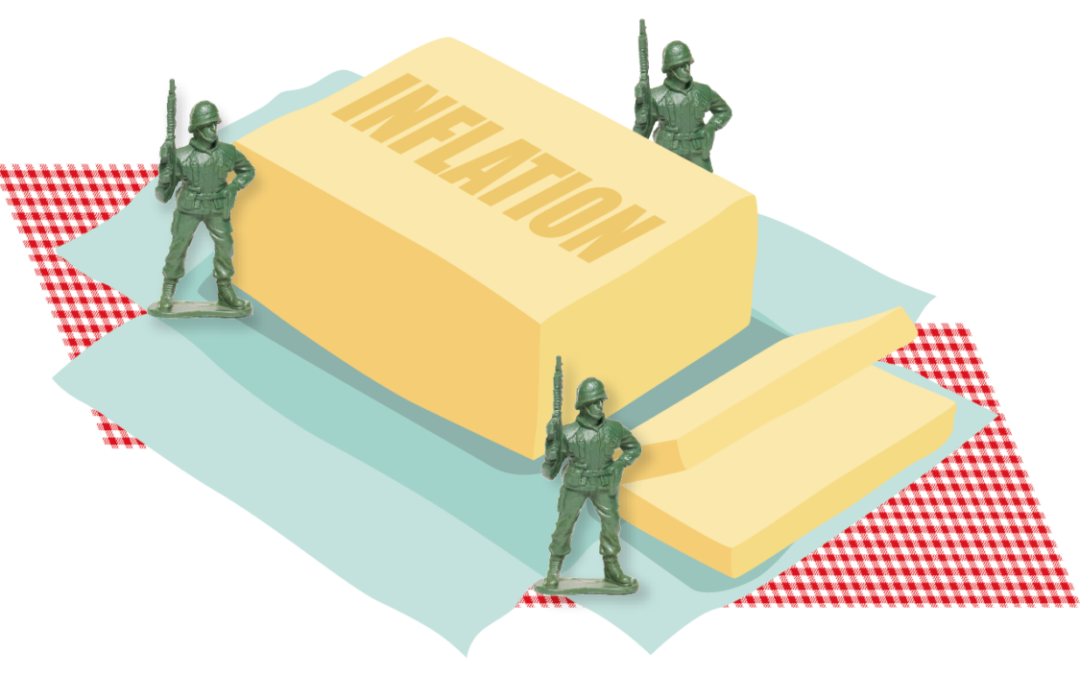
Economics of Guns and Butter
In economics, the phrase “guns and butter” represents a fundamental tradeoff nations face: whether to allocate resources toward military defense (guns) or consumer goods and comforts (butter). Because resources—time, labor, capital—are finite, choosing more of one inevitably means less of the other. This tension is not confined to governments and national budgets. It is a powerful metaphor for the economic and personal choices each of us makes every day.
For a nation, “guns” symbolize investment in protection, infrastructure, and capabilities that secure its future position. “Butter” represents immediate comfort, consumption, and quality of life. A country that spends heavily on defense may strengthen its security and geopolitical influence, but it may sacrifice investments in social programs or consumer welfare. Conversely, a nation that prioritizes comfort and consumption may improve short-term satisfaction while risking long-term vulnerability.
In our personal lives, the same tradeoff quietly shapes our futures. “Guns” are the choices that move us forward—education, skill development, disciplined saving, health investments, and long-term planning. They are often demanding, uncomfortable, and slow to reward. “Butter,” on the other hand, represents the comforts and luxuries we enjoy in the present—entertainment, convenience, dining out, upgraded gadgets, or leisure purchases.
Neither guns nor butter are inherently good or bad. Nations need both security and citizen well-being. Individuals need both forward progress and moments of enjoyment. The challenge lies in allocation. Because our resources—income, time, energy—are limited, every dollar spent and every hour used reflects a choice.
Consider time as a resource. An evening spent learning a new skill, exercising, or building a side business is an investment in “guns.” It strengthens capacity, resilience, and future opportunity. An evening spent on passive entertainment may provide needed relaxation—our “butter.” The problem arises when butter consistently outweighs guns. Short-term comfort begins to crowd out long-term advancement.
The same applies financially. Choosing to save, invest, or pay down debt may feel restrictive in the moment, but it expands future freedom. Choosing luxury upgrades or impulse purchases provides immediate gratification but may delay financial stability. The tradeoff is rarely dramatic; it is incremental. Small, repeated decisions accumulate into vastly different outcomes over time.
The metaphor also highlights the importance of intentionality. A nation that fails to plan its allocation may drift into imbalance—either over-militarized and strained, or overindulgent and unprepared. Individuals can do the same. Without deliberate budgeting of money and energy, it is easy to overspend on comfort while underinvesting in growth.
Yet an exclusive focus on guns—relentless productivity without rest—can also be destabilizing. Burnout, strained relationships, and diminished joy can follow. Sustainable success requires a thoughtful balance. Butter, when chosen deliberately, restores motivation and preserves well-being. The key is ensuring that comfort does not undermine capability.
Ultimately, “guns and butter” is about opportunity cost. Every choice closes off alternatives. When we allocate resources toward forward movement, we strengthen our future options. When we allocate them toward comfort, we enhance present satisfaction. The wisdom lies not in eliminating one or the other, but in recognizing that our allocation patterns shape our destiny.
Just as nations define themselves by their economic priorities, individuals define their lives by how they distribute their resources. Where we choose to invest—progress or comfort—determines not only what we have today, but who we become tomorrow.
Recent Comments