
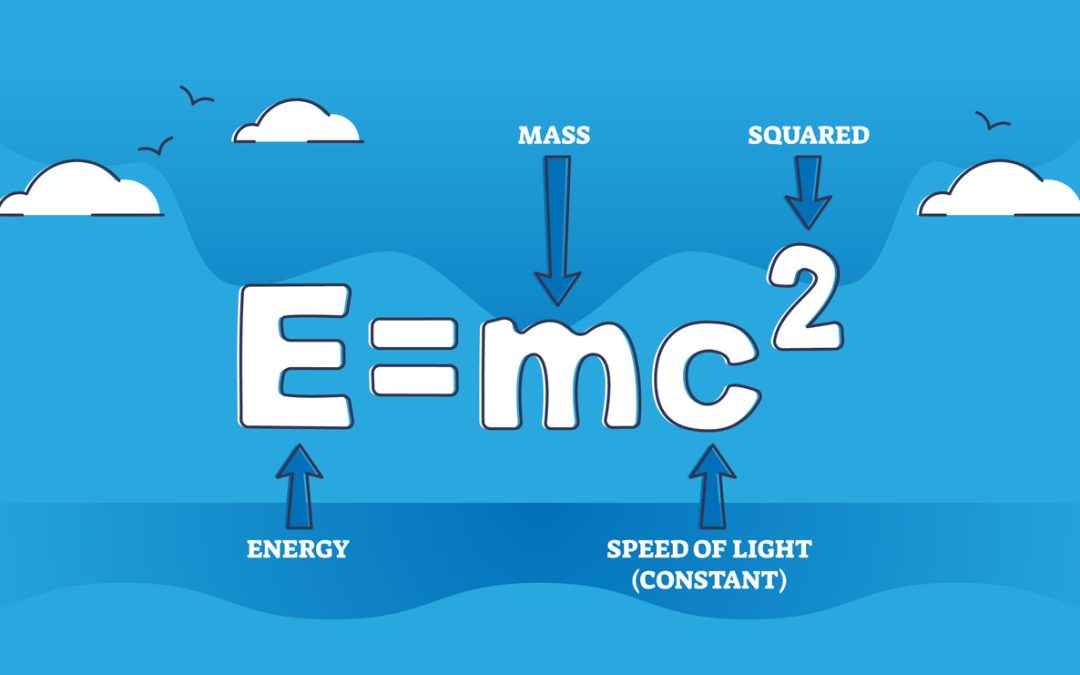
Are You Smarter Than Einstein?
It sounds outrageous at first: you might be smarter than Aristotle, Newton, or even Einstein. These towering figures reshaped philosophy, physics, mathematics, and our understanding of the universe. Their insights laid the foundations of modern civilization. How could anyone casually scrolling on a smartphone claim to rival such brilliance?
The answer lies not in raw IQ, but in access.
Aristotle worked without telescopes, microscopes, or modern scientific method. Newton developed calculus and the laws of motion without computers, advanced laboratories, or centuries of accumulated data. Einstein formulated relativity with little more than paper, pencil, and thought experiments. They were brilliant in their time because they pushed beyond the limits of available knowledge.
Today, you carry more information in your pocket than all of them combined had access to in their lifetimes.
With a few keystrokes, you can access centuries of peer-reviewed research, global libraries, lectures from top universities, interactive simulations, real-time data, and translations of ancient texts. You can watch detailed explanations of quantum mechanics, explore 3D models of DNA, or listen to leading economists debate monetary policy—all in a single afternoon. The collective intellectual output of humanity is available on demand.
In practical terms, this means you can solve problems faster, learn concepts earlier, and cross-reference ideas instantly. A physics student today can use computer simulations that would have astonished Newton. A philosophy enthusiast can read not only Aristotle’s works but thousands of years of commentary analyzing and critiquing them. A teenager with internet access can explore astrophysics with tools more powerful than those available to professional scientists a century ago.
This does not diminish the genius of historical figures. In fact, it highlights it. They created knowledge without the scaffolding we now take for granted. But it also reframes intelligence. Intelligence is not merely the ability to invent from scratch; it is the ability to integrate, synthesize, and apply available knowledge effectively.
The real question is not whether you could outthink Einstein in 1905. It is whether you are fully using the intellectual infrastructure of 2026.
Most people underutilize this extraordinary advantage. Instead of leveraging digital tools to deepen understanding, they skim headlines, scroll social feeds, and consume fragmented information. The modern world offers both unprecedented access and unprecedented distraction. The same device that provides lectures from MIT also delivers endless entertainment.
To become “smarter” than past geniuses in practical terms, you must be intentional. Curate your inputs. Follow structured courses. Read primary sources. Compare perspectives across disciplines. Use AI tools to clarify complex concepts. Engage in discussions that challenge your assumptions. The power lies not just in access, but in disciplined use.
We stand on the shoulders of giants, supported by centuries of accumulated insight. You may not originate a theory of relativity, but you can understand it at a level that once required extraordinary genius. You can combine insights from multiple fields instantly. You can collaborate globally. You can test ideas with computational power unimaginable in the past.
In that sense, you possess an intellectual leverage that even the greatest minds of history did not. The potential is there. The only remaining question is whether you will use it.
Recent Comments