
A Brief History of Literacy
Literacy is one of the most powerful forces in human history. The ability to read and write does more than transfer information—it preserves civilizations, spreads ideas, and gives ordinary people access to knowledge that would otherwise be locked away. From ancient times to the modern world, the history of literacy is a story of progress, struggle, and transformation. Each leap forward—from early writing systems to today’s internet and artificial intelligence—has expanded the reach of human thought.
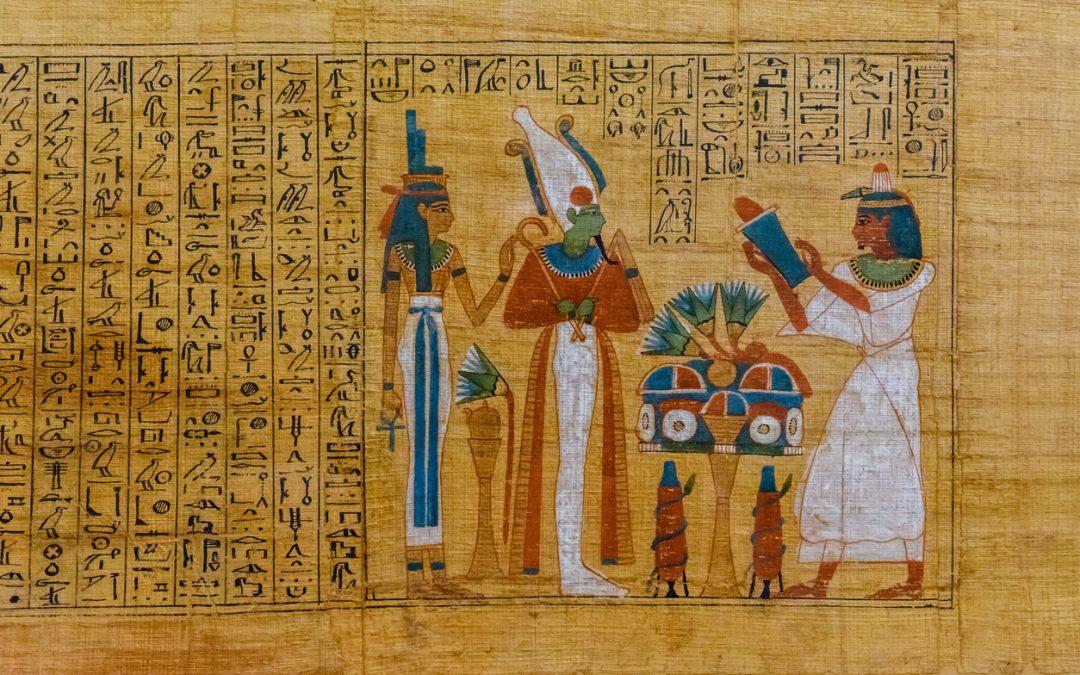
The first major breakthrough came with the earliest forms of writing. Ancient civilizations such as the Sumerians developed cuneiform, pressing symbols into clay tablets to record trade, laws, and stories. In Egypt, hieroglyphics combined art and language, turning walls and scrolls into records of history and belief. Writing began as a tool of survival and administration, but it quickly became something greater: a way to store knowledge beyond the limits of memory. Literacy, however, remained rare. In most early societies, reading and writing were skills reserved for scribes, priests, and elites.
One of the greatest symbols of ancient learning was the Library of Alexandria. Built in Egypt, it represented an ambitious dream: gathering the world’s knowledge in one place. Scholars studied science, mathematics, medicine, and philosophy, pushing human understanding forward. Although the library was eventually destroyed, its legacy remains a reminder of how valuable written knowledge is—and how fragile it can be when threatened by war, politics, or neglect.
Religious texts also played a major role in the spread of literacy, especially the Bible. As Christianity expanded, the Bible became one of the most copied and preserved works in history. For centuries, it was written and reproduced by hand, often by monks, making books extremely expensive and rare. Still, its influence was enormous. People believed words held spiritual power, and reading became linked not only to education but to faith and identity. Later, as more translations appeared, literacy increasingly became a personal gateway to scripture rather than something controlled by a small educated class.
A turning point arrived with the invention of the printing press by Johannes Gutenberg in the 15th century. The press made books cheaper, faster to produce, and more widely available than ever before. Gutenberg’s Bible is often seen as a landmark of this revolution. Printing helped spread scientific ideas, political arguments, and new philosophies. It fueled the Renaissance, supported the Reformation, and encouraged a world where knowledge could travel beyond the walls of universities and churches.
Over time, literacy became less of a privilege and more of a necessity. Public schooling expanded, newspapers informed citizens, and books became common in homes. Yet even in the modern era, millions of people remained unable to read. Literacy was never just about education—it was about access, opportunity, and power.
Today, the internet has created the greatest explosion of accessible information in human history. With tools like Google, anyone can search for answers in seconds. Even more, artificial intelligence can now summarize, explain, translate, and teach at a pace unimaginable in the past. Knowledge is no longer limited to libraries or classrooms—it is at our fingertips, in our pockets, and available on demand.
But this new age brings responsibility. Information is everywhere, yet wisdom still requires effort. That is why the old saying remains true: he who does not read is no better than he who cannot read. Literacy has always been the doorway to freedom, and in the modern world, those who choose to learn will always have an advantage over those who choose ignorance.
Recent Comments