
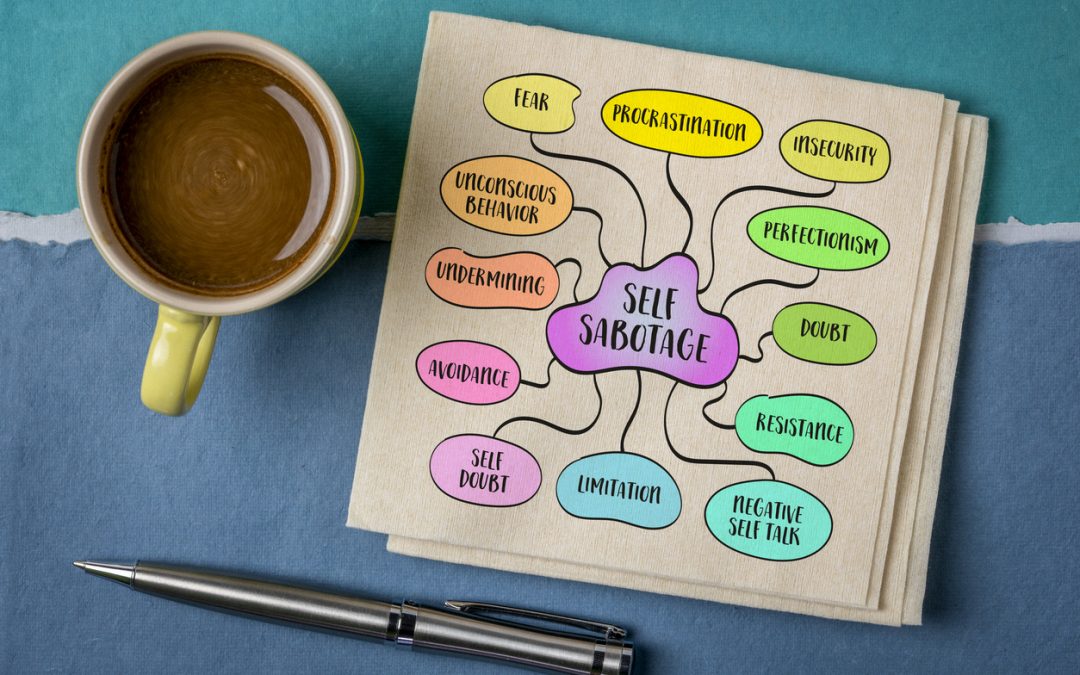
About Self Sabotage
Self-sabotage is one of the most frustrating patterns a person can experience because it feels like being trapped by your own hand. You want progress, but you undermine it. You want success, but you delay, distract, or destroy opportunities. People often assume self-sabotage is laziness or a lack of discipline, but it is frequently something deeper: a symptom of low self-esteem. When someone does not feel worthy of success, they may unconsciously protect themselves from the risk of achieving it—and from the emotional exposure that achievement brings.
Low self-esteem is not simply feeling insecure. It is a quiet belief that something is fundamentally lacking. A person may appear functional, talented, and even successful on the outside while secretly believing they are not good enough on the inside. When that belief runs deep, success becomes psychologically threatening. It isn’t just a positive outcome; it becomes a challenge to identity. If a person is accustomed to thinking, “I don’t deserve good things,” then good things feel unstable, temporary, or suspicious. The mind starts looking for ways to return to what is familiar—even if the familiar is painful.
This is where self-sabotage often shows up. For example, someone might procrastinate before an important deadline, not because they don’t care, but because they’re afraid of being judged. If they fail, they can blame the delay instead of their ability. This protects the ego: “I could have succeeded if I really tried.” In relationships, a person may pick fights, withdraw emotionally, or ruin a good connection because intimacy feels undeserved. They may believe, “If they really knew me, they’d leave,” and so they leave first. In careers, someone may avoid applying for promotions, turn down opportunities, or stop working hard when they’re close to achieving a goal. The pattern is subtle but consistent: when success gets close, discomfort rises.
Imposter syndrome is closely tied to this dynamic. People with imposter syndrome feel like frauds even when they are competent. They assume their success is based on luck, timing, or other people’s misunderstanding. They live with the fear that sooner or later they will be exposed. In that mental state, success is not energizing—it is exhausting. It feels like holding up a mask. And because that fear is so stressful, some people sabotage their own progress as a form of relief. If they fail, they no longer have to keep proving themselves. Failure, while painful, can feel strangely familiar and controllable.
Self-sabotage can also be a way of controlling the narrative. When someone doesn’t feel worthy, they may fear that success will raise expectations they can’t maintain. They worry that if they succeed once, they will be expected to succeed again—and that next time they might fall. So they choose a smaller life on purpose. They keep their ambitions limited so they can avoid the pressure of being seen. In this way, self-sabotage becomes a defense mechanism. It is not a lack of desire; it is fear wearing the costume of a bad habit.
The tragedy is that self-sabotage reinforces low self-esteem. Each time someone undermines themselves, it produces evidence for the belief: “See, I never follow through.” The cycle continues: low self-worth leads to sabotage, sabotage leads to disappointment, and disappointment strengthens low self-worth.
Breaking this cycle requires more than willpower. It requires confronting the belief underneath the behavior. The question is not only “Why am I doing this?” but “What do I think I’m protecting myself from?” Often the answer is pain: rejection, failure, embarrassment, or the possibility that success will not feel as good as hoped. Healing begins when a person learns that worthiness is not something you earn through perfection. It is something you accept as a starting point.
In the end, self-sabotage is often a sign that the person is not lazy—they are afraid. They want success, but they doubt they deserve it. And the path forward is not punishment, but compassion, honesty, and the slow rebuilding of inner belief: “I am allowed to grow. I am allowed to succeed. I can handle what comes next.”
Recent Comments