
Alcohol and Drugs
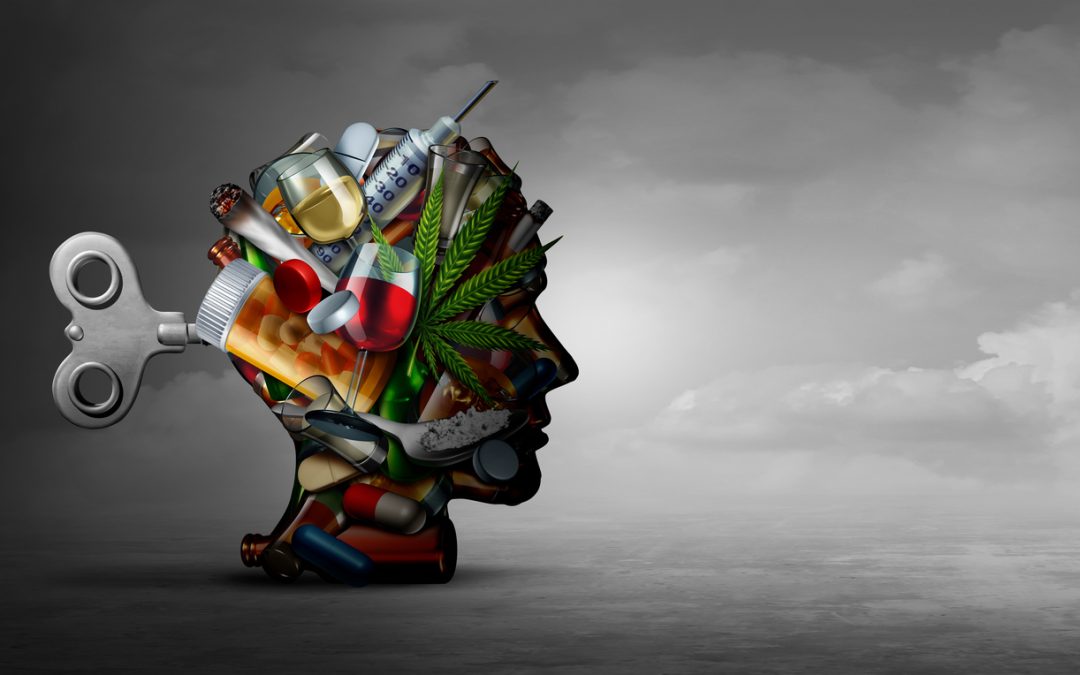
Alcohol and many psychoactive drugs reduce inhibition, altering the way thoughts, emotions, and impulses are regulated. Under normal circumstances, the human brain relies heavily on executive functions—primarily governed by the prefrontal cortex—to filter speech, suppress inappropriate impulses, and evaluate consequences. When substances interfere with these regulatory systems, behavior can become less restrained, and thoughts that would typically remain unspoken may surface. This lowered inhibition often creates the impression that intoxicated individuals are revealing their “true” or subconscious selves.
Alcohol, in particular, is a central nervous system depressant that dampens activity in areas responsible for judgment, impulse control, and self-monitoring. As inhibition decreases, individuals may speak more freely, act more impulsively, and respond more emotionally. Drugs such as stimulants can also impair judgment, though through different mechanisms, sometimes intensifying confidence and emotional reactivity. In both cases, the internal “brakes” that normally regulate expression are weakened.
One important psychological concept related to intoxication is alcohol myopia. This theory suggests that alcohol narrows attention to immediate cues while reducing the ability to consider broader context or long-term consequences. When someone harbors hidden anger, resentment, or prejudice, intoxication may reduce their ability to suppress or reframe those thoughts. Without the moderating influence of social norms and self-awareness, underlying attitudes can emerge more directly.
Hidden belief distortions—such as entitlement, victim mentality, or rigid black-and-white thinking—may also become more visible under the influence. A person who subtly believes they are disrespected or undervalued might normally restrain hostile reactions. However, when intoxicated, that same individual may interpret neutral interactions as slights and respond aggressively. Similarly, prejudices that are consciously suppressed due to social expectations can surface in the form of inappropriate jokes, biased remarks, or discriminatory behavior.
Anger, in particular, is strongly linked to disinhibition. Many people carry unresolved frustrations or suppressed grievances in their subconscious mind. In sober states, they may rationalize these feelings or choose socially acceptable ways to express them. Under the influence of alcohol or drugs, emotional regulation weakens. Minor triggers can activate disproportionate reactions because the individual is less capable of pausing, reflecting, and choosing a measured response. The result may be verbal outbursts, confrontational behavior, or even violence.
However, it is important to clarify that intoxication does not create entirely new beliefs or personality traits. Rather, it reduces the filtering and regulatory systems that typically manage expression. At the same time, substances can exaggerate perceptions and emotions, meaning that what emerges is not always a pure reflection of stable subconscious beliefs. Neurochemical changes can amplify fear, suspicion, or grandiosity, temporarily distorting reality.
The relationship between intoxication and subconscious expression also depends on personality and environment. Individuals with strong internalized values and emotional regulation skills may remain relatively composed even when drinking. Conversely, those with unresolved conflicts, entrenched biases, or poor impulse control are more likely to exhibit problematic behavior when disinhibited.
Ultimately, alcohol and drugs function as amplifiers and dis-inhibitors. They weaken the cognitive systems that keep impulses, distortions, and prejudices in check, increasing the likelihood that hidden beliefs and suppressed anger will surface. While intoxication may reveal aspects of a person’s inner landscape, it does not absolve responsibility. Instead, it underscores the importance of self-awareness, emotional regulation, and addressing underlying distortions before they are intensified by chemical disinhibition.
Recent Comments