by Alex vonAllmen | Jan 29, 2026 | blog
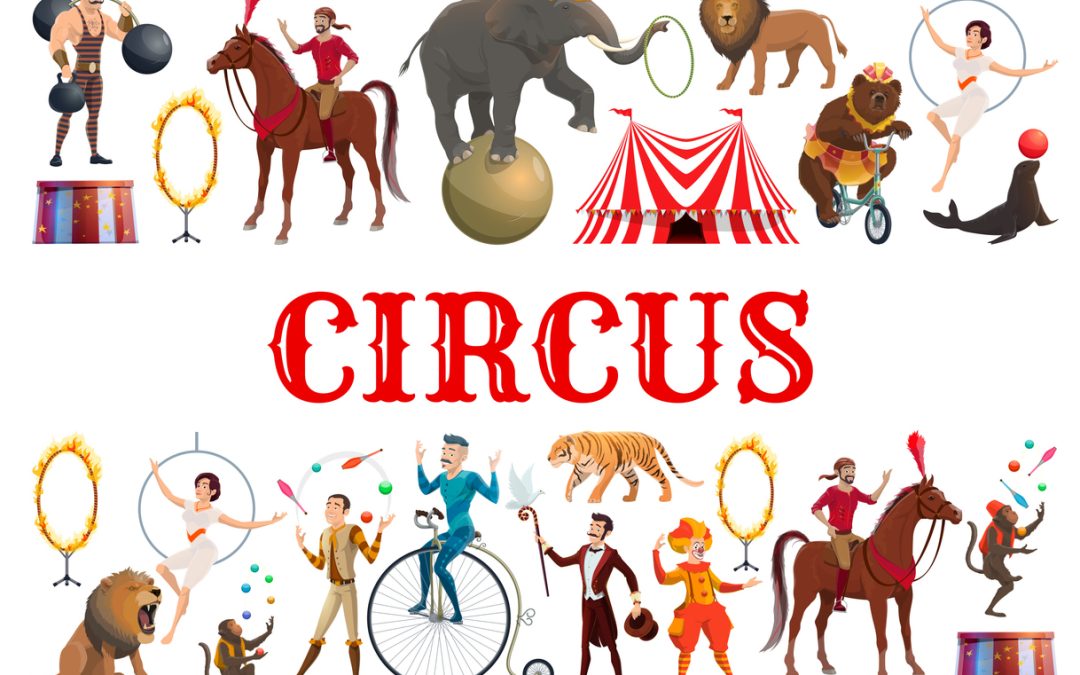
Not My Circus, Not My Monkeys https://upnotes.com/wp-content/uploads/2026/01/Not-my-Circus-Not-my-Monkeys.mp3 The phrase “not my circus, not my monkeys” is a blunt but insightful reminder about boundaries, responsibility, and emotional discipline. Often used...

by Alex vonAllmen | Jan 29, 2026 | blog
Simple Answers? https://upnotes.com/wp-content/uploads/2026/01/Simple-Answers.mp3 H. L. Mencken’s observation, “For every complex problem there is an answer that is clear, simple, and wrong,” captures a persistent human temptation: the desire to reduce difficult...
by Alex vonAllmen | Jan 29, 2026 | blog
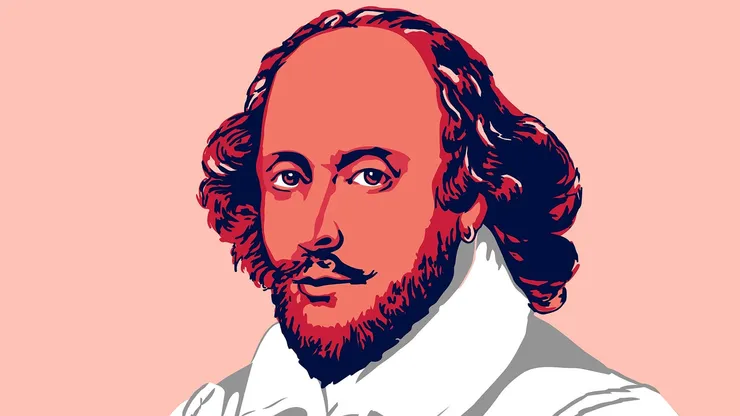
To Thine Own Self be True https://upnotes.com/wp-content/uploads/2026/01/To-Thine-Own-Self-be-True.mp3 “To thine own self be true,” a line from Shakespeare’s Hamlet, has endured for centuries because it captures a timeless and deeply human challenge: the struggle to...
by Alex vonAllmen | Jan 29, 2026 | blog
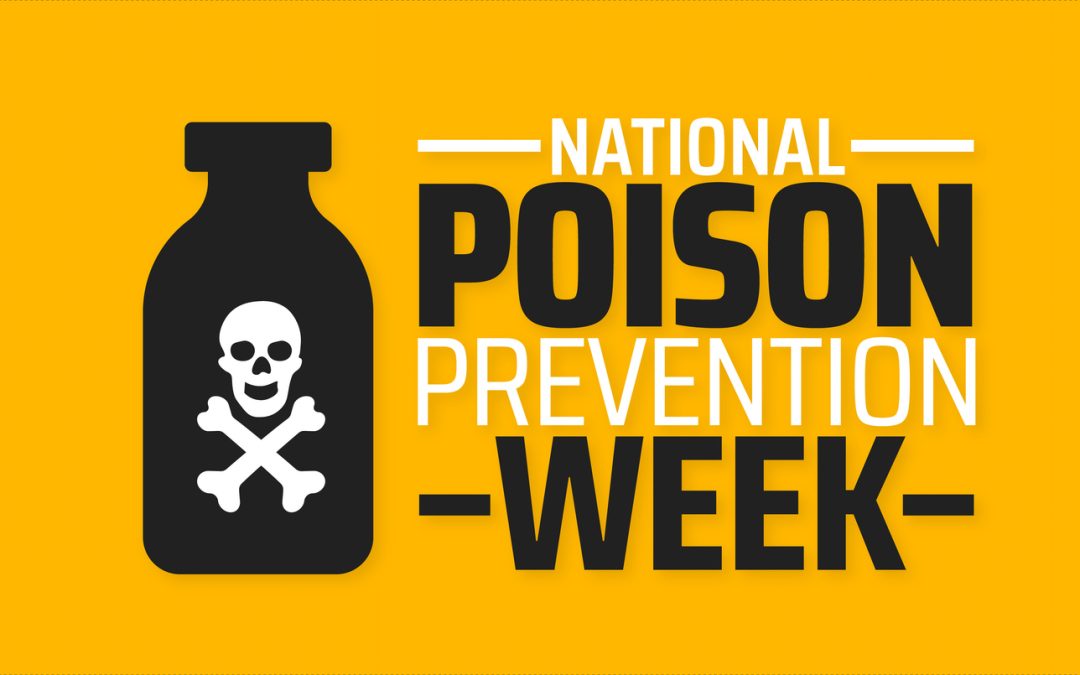
Resentment is Like Poison https://upnotes.com/wp-content/uploads/2026/01/Resentment-is-Like-Poison.mp3 “Resentment is like taking poison and waiting for the other person to die” is a striking metaphor because it exposes the quiet self-destruction hidden inside an...

by Alex vonAllmen | Jan 29, 2026 | blog
Mastery Versus Familiarity https://upnotes.com/wp-content/uploads/2026/01/Mastery-Versus-Familiarity.mp3 The distinction between mastery and familiarity of a topic lies not in exposure, but in depth, application, and understanding. In an age of rapid information...

Recent Comments