
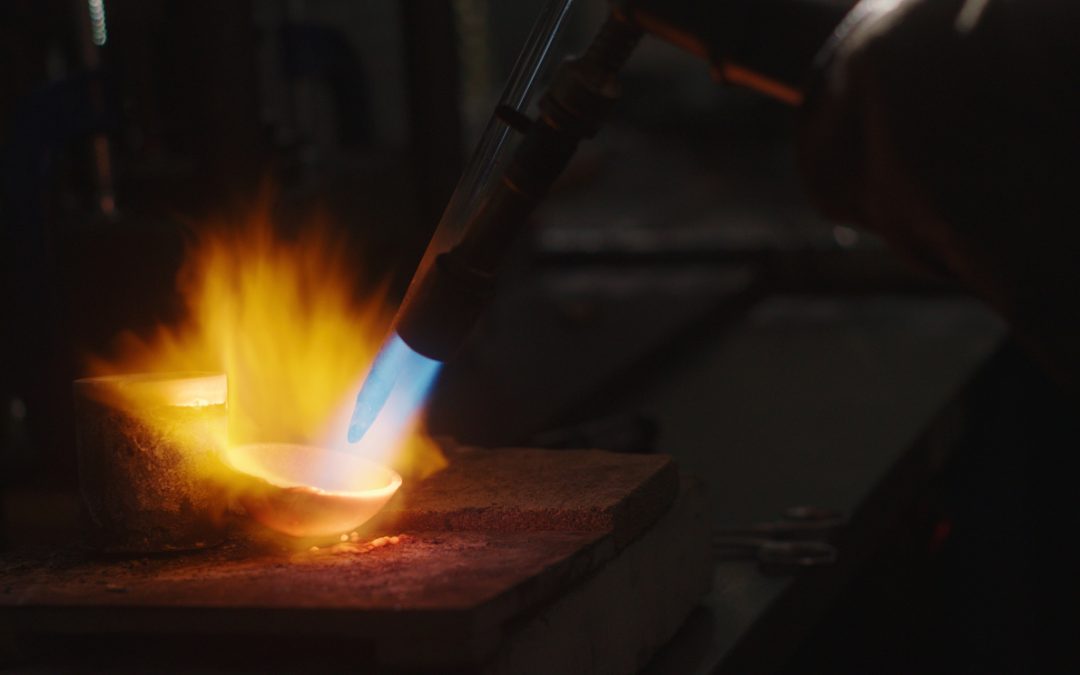
Character is Forged in Crucibles
Character is easy to admire in theory, but it is built in practice—most often in difficult times rather than comfortable ones. Good seasons of life can reveal personality, talent, and opportunity, but hard seasons reveal something deeper: integrity, endurance, humility, and moral strength. When everything is going well, it is easier to appear strong. But when life becomes unfair, unforgiving, or unpredictable, character is tested. And whatever is inside us is brought to the surface.
Tough times create pressure, and pressure reveals priorities. When resources are limited, stress is high, or the outcome is uncertain, we discover what we truly value. It becomes tempting to cut corners, blame others, or compromise our standards to gain relief. A person who maintains integrity under stress is showing something rare: commitment to what is right even when it is inconvenient. In those moments, character is no longer a slogan—it becomes a decision. It becomes action. Doing the right thing is not something we drift into; it is something we choose, often against our immediate impulses.
One of the clearest measures of character is what we do when no one is watching. It is easy to behave well when there is applause, supervision, or social reward. But character is what happens in private moments: the unseen choice to tell the truth, take responsibility, show restraint, or keep a promise. It is the decision to work hard even when no one will notice, to treat people fairly even when you could take advantage, and to resist the urge to do what is easy instead of what is right. These choices don’t make headlines, but they shape a life. Over time, they build a reputation—not just in the eyes of others, but in the eyes of our own conscience.
Character is also about setting the right expectations, both for ourselves and for others. In difficult times, unrealistic expectations can lead to resentment, entitlement, and constant disappointment. The world is often unfair. Effort does not always produce reward. Good people sometimes lose. Bad behavior sometimes “wins.” If we expect life to be perfectly just, then hardship will always feel like betrayal. But mature character includes an honest view of reality. It accepts that suffering and setbacks are part of the human experience, and it continues forward anyway. This is not cynicism—it is resilience. It is the ability to stand without collapsing into bitterness.
Doing the right thing under pressure is never easy because pressure amplifies everything. Fear grows louder. Anger feels more justified. Temptation appears more reasonable. Under stress, we become more reactive. That is why tough times are such powerful training grounds: they force us to confront our weakest patterns. They show us where we lack discipline, patience, courage, or self-control. And in that exposure, we are given an opportunity. Hardship can either harden us or refine us. It can make us defensive and selfish, or it can make us stronger and wiser.
People sometimes assume that character is something you either have or you don’t. But character is built like muscle. It grows through repetition, resistance, and pain. Each time you choose honesty when lying would be easier, or responsibility when blame would be more comfortable, you reinforce the kind of person you are becoming. You may not feel heroic in the moment, but you are shaping your future self.
In the end, good times are enjoyable, but tough times are formative. The world will always include pressure, unfairness, and disappointment. But those moments do not have to define us negatively. They can become the places where we learn to live by principle rather than convenience. And when we do the right thing—especially when it costs us—we prove something important: our character belongs to us, not to our circumstances.
Recent Comments