
Choose Empowering Beliefs
Choosing empowering attitudes and beliefs is one of the most important decisions a person can make, because beliefs quietly shape how we interpret the world, respond to challenges, and imagine our future. While we often think we are making choices based on logic or facts, much of our daily behavior is guided by internal assumptions—some conscious, many unconscious. The truth is that most of us did not consciously “choose” our earliest beliefs at all. We absorbed them as children through family, school, culture, religion, and personal experiences. Depending on the luck of the draw, these early beliefs can be supportive and motivating—or limiting and discouraging.
As young children, we are like sponges. We learn what is “normal” by watching the people around us and listening to what they say. If a child repeatedly hears messages like “you can do anything you set your mind to,” they may develop confidence and resilience. But if they hear “people like us don’t succeed” or “don’t take risks,” they may grow up believing that opportunity is for others, not for them. These beliefs can become invisible rules that shape a person’s choices for years. Someone may avoid applying for a job, starting a business, or leaving a toxic relationship—not because they are incapable, but because they unconsciously believe they are not worthy or that success is unrealistic.
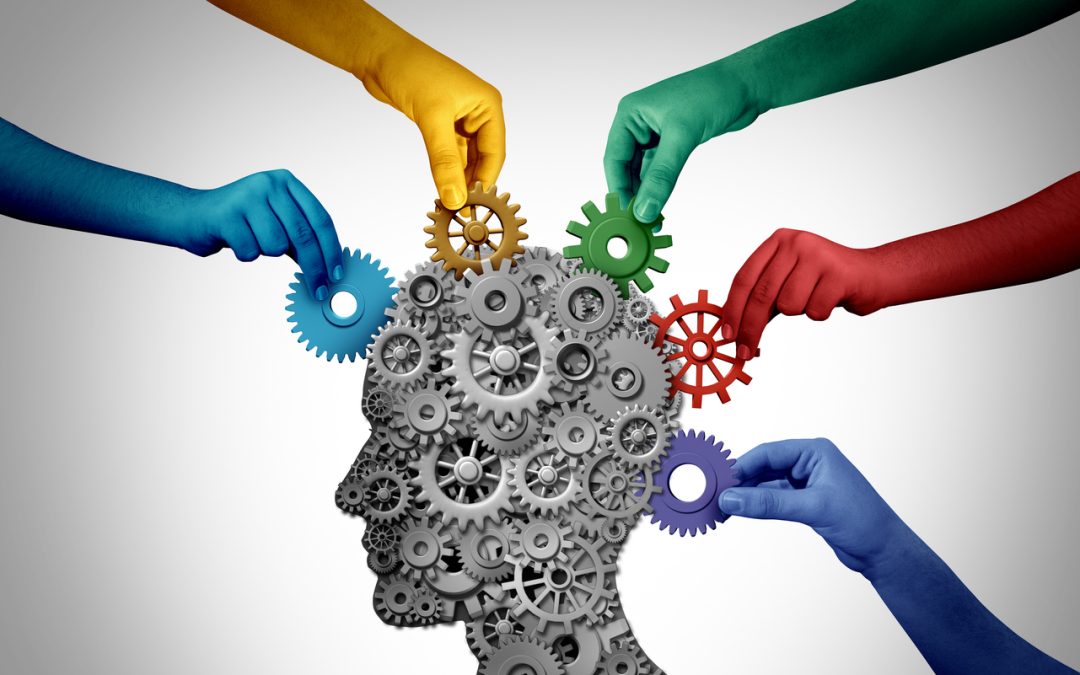
This is why consciously evaluating our beliefs is so powerful. When we step back and examine what we believe about ourselves, other people, and the world, we begin to separate truth from conditioning. We can ask: Where did this belief come from? Is it based on evidence or fear? Does it expand my life or shrink it? This process allows us to recognize which beliefs are serving our growth and which ones are holding us back. It is not about blaming our upbringing or rewriting history. It is about taking responsibility for the mindset we carry forward.
Importantly, choosing empowering beliefs is not the same as self-delusion. It is not pretending everything is easy or ignoring reality. In fact, it requires more honesty, not less. It is an act of discernment—seeing clearly what is true, what is possible, and what is merely an assumption. Discernment helps us challenge thoughts like “I always fail” and replace them with something more accurate and useful, such as “I’ve struggled before, but I can learn and improve.” An empowering belief does not deny difficulty; it strengthens our ability to meet difficulty with courage and persistence.
Questioning limiting assumptions can also unlock personal freedom. Many people carry inherited beliefs about money, relationships, intelligence, or identity that are outdated or incomplete. A belief such as “I have to be perfect to be accepted” can create anxiety and procrastination. Believing “my past defines me” can trap someone in shame. When we challenge those ideas, we create space for healthier attitudes like self-compassion, growth, and confidence. We shift from reacting to life to actively shaping it.
Ultimately, becoming the best version of yourself begins with the beliefs you choose to live by. Empowering attitudes do not guarantee a problem-free life, but they create a mindset capable of learning, adapting, and rising stronger after setbacks. By consciously evaluating what you believe, you stop living on autopilot and start living with intention. That is where real transformation begins.
Recent Comments