
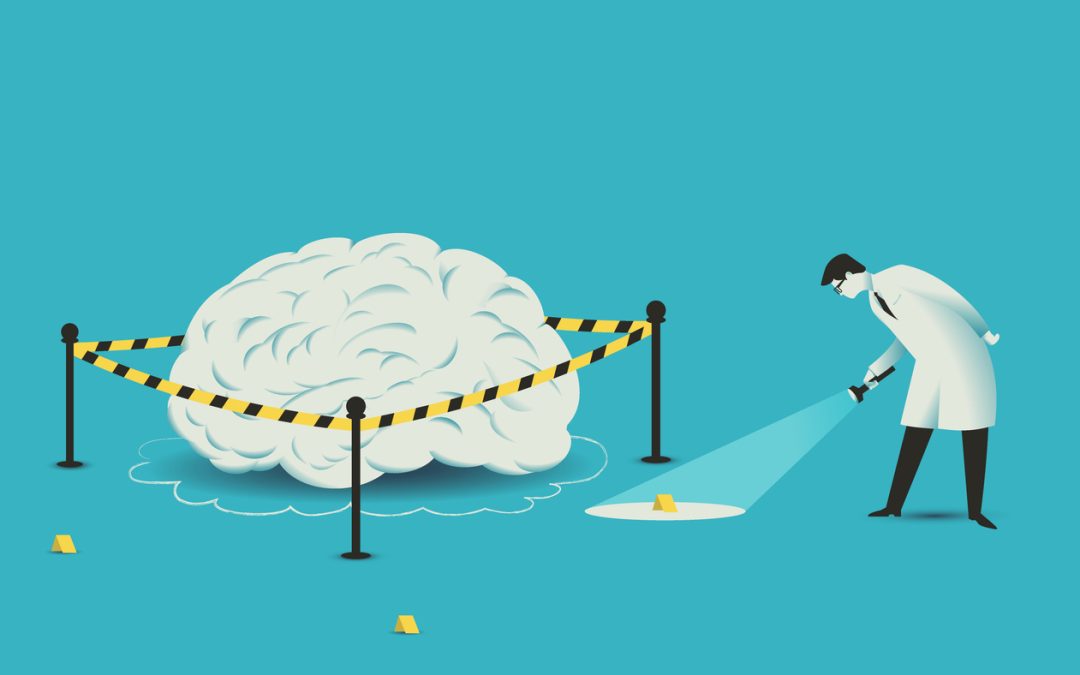
Distorted Criminal Thinking
Distorted thinking is one of the central psychological mechanisms underlying criminal behavior. It refers to habitual patterns of inaccurate, biased, or self-serving thoughts that justify harmful actions and protect the individual from guilt, shame, or responsibility. These distortions are not necessarily signs of mental illness; rather, they are learned cognitive habits that reshape reality in ways that make wrongdoing feel acceptable, necessary, or even righteous. Understanding these distortions is crucial because they both sustain criminal behavior and offer a pathway for change.
One common distortion is denial of responsibility. Individuals may claim their actions were forced by circumstances, other people, or fate. Statements such as “I had no choice” or “Anyone in my situation would have done the same” shift accountability away from the self. This allows the individual to preserve a sense of moral integrity while avoiding personal responsibility.
Another frequent distortion is minimization of harm. Here, the offender acknowledges the act but downplays its impact: “It wasn’t that serious,” or “They can afford the loss.” By reframing the consequences as trivial, the psychological barrier to repeating the behavior is lowered.
Victim blaming is also prevalent. In this distortion, responsibility is transferred to the person harmed. The victim is portrayed as deserving or provoking the offense: “They disrespected me,” or “They shouldn’t have left their car unlocked.” This thinking not only justifies the act but can also generate resentment that reinforces future offenses.
A more global distortion is entitlement. The individual believes they are owed something—respect, money, status—and that conventional rules do not apply to them. Entitlement can stem from perceived injustice, chronic frustration, or inflated self-importance. It transforms personal desire into moral justification.
Black-and-white thinking further contributes to criminal decisions. Situations are interpreted in extreme terms: total respect or total humiliation, complete loyalty or betrayal. This rigid thinking fuels impulsive reactions and escalations, particularly in violent crimes.
Finally, externalization of blame attributes problems to society, authority, or systemic unfairness without acknowledging personal agency. While social inequalities are real, this distortion becomes maladaptive when it is used to excuse harmful actions rather than motivate constructive change.
The important question is whether these distortions can be “upgraded.” The answer, supported by psychological research and correctional practice, is yes—though the process requires structured effort. Cognitive-behavioral therapy (CBT) is one of the most effective approaches. CBT helps individuals identify automatic thoughts, examine evidence for and against them, and replace them with more balanced, reality-based interpretations. For example, “I had no choice” can be reframed as “I felt pressured, but I still made a decision.” This shift restores agency and accountability.
Developing empathy is another upgrade pathway. Through perspective-taking exercises, victim impact statements, and restorative justice programs, individuals can begin to recognize the real consequences of their actions. This counters minimization and victim blaming by rehumanizing those affected.
Emotional regulation skills also play a role. When individuals learn to tolerate frustration, manage anger, and delay impulses, the cognitive distortions that arise in heated moments lose their intensity and persuasive power.
Ultimately, distorted thinking is not fixed. It is learned—and therefore can be unlearned. By challenging rationalizations, strengthening accountability, and fostering empathy, distorted cognitive patterns can evolve into more adaptive ways of interpreting the world. In this sense, upgrading distorted thinking is not merely about preventing crime; it is about cultivating psychological maturity and responsible agency.
Recent Comments