
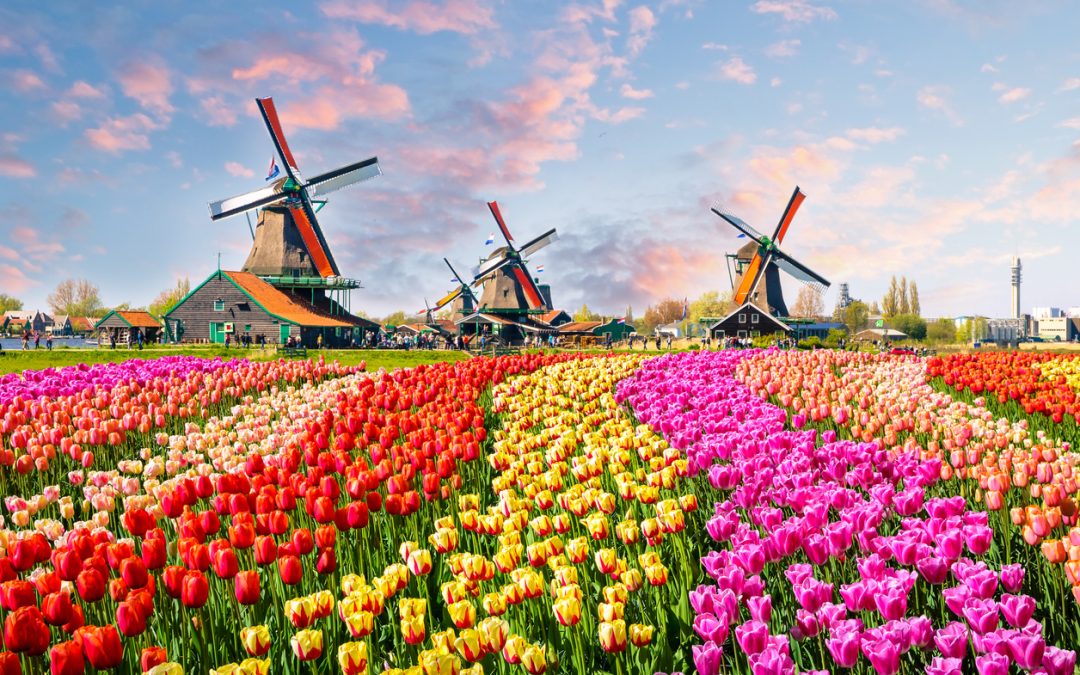
Dutch Tulip Mania of 1630's
The Dutch tulip mania of the 1630s is often cited as one of the earliest and most famous speculative bubbles in history. It is remembered not because tulips were inherently valuable, but because ordinary people became convinced that prices could only rise. The episode illustrates how speculation, social imitation, and human psychology can overpower common sense—especially when a new asset captures the imagination of a society experiencing rapid economic growth.
Tulips were introduced to the Netherlands in the late 16th century, likely arriving from the Ottoman Empire. At the time, the Dutch Republic was prosperous, urbanized, and commercially sophisticated. Trade, finance, and innovation were flourishing. Tulips stood out because they were exotic, visually striking, and rare—particularly certain varieties that developed unique color patterns due to a plant virus. These “broken” tulips were difficult to reproduce and became status symbols among wealthy merchants and elites. Initially, tulips were luxury items, collected much like fine art.
Speculation began gradually. As demand increased and supply remained limited, prices rose. People noticed. Tulips began to shift from being objects of beauty to objects of trade. Over time, trading expanded beyond the wealthy to artisans, shopkeepers, and even farmers. Tulip bulbs started to change hands not just for planting, but for resale at higher prices. This is when speculation accelerated. Buyers were no longer purchasing tulips because they loved flowers—they were buying because they expected someone else to pay more later.
A key development was the emergence of futures-like contracts. People began trading promises to buy or sell bulbs at a later date, often without ever intending to take physical delivery. These contracts required little upfront capital, which allowed many participants to speculate with minimal resources. Prices began rising rapidly, sometimes changing hands multiple times in a single day. Stories circulated of single bulbs being worth the price of a house, a carriage, or years of wages. Whether all these stories were typical or exaggerated, the belief that tulips could make people rich spread quickly.
Tulip mania peaked in the winter of 1636–1637. At that point, prices were no longer anchored to any practical value or realistic demand. The market relied entirely on confidence—the belief that buyers would always appear. That belief broke suddenly. At a routine auction in early 1637, buyers failed to show up or refused to pay the expected prices. Panic followed. Once prices stopped rising, speculation collapsed. Sellers rushed to unload their contracts, but buyers disappeared. Prices fell sharply, and many contracts became worthless.
The aftermath was less catastrophic than legend suggests. While some individuals suffered heavy losses, the broader Dutch economy remained strong. Many contracts were never legally enforced, and settlements were often negotiated at reduced terms. Tulip mania did not destroy the Dutch Republic, but it did leave a lasting impression as a cautionary tale.
The deeper lesson of tulip mania is not about flowers—it is about human behavior. The bubble formed because people extrapolated recent price increases indefinitely into the future. Social proof reinforced belief: if others were getting rich, it must be safe. Skepticism disappeared. The mania ended when confidence cracked, revealing that prices were supported by belief rather than fundamentals.
Tulip mania endures as a symbol because it highlights a timeless pattern. Whenever a new asset appears rare, exciting, and profitable, speculation can overwhelm reason. The specifics change—stocks, real estate, cryptocurrencies—but the psychology remains the same. Tulip mania reminds us that markets are not just economic systems; they are emotional ones.
Recent Comments