
Managing Uncertainty with Lean Startup
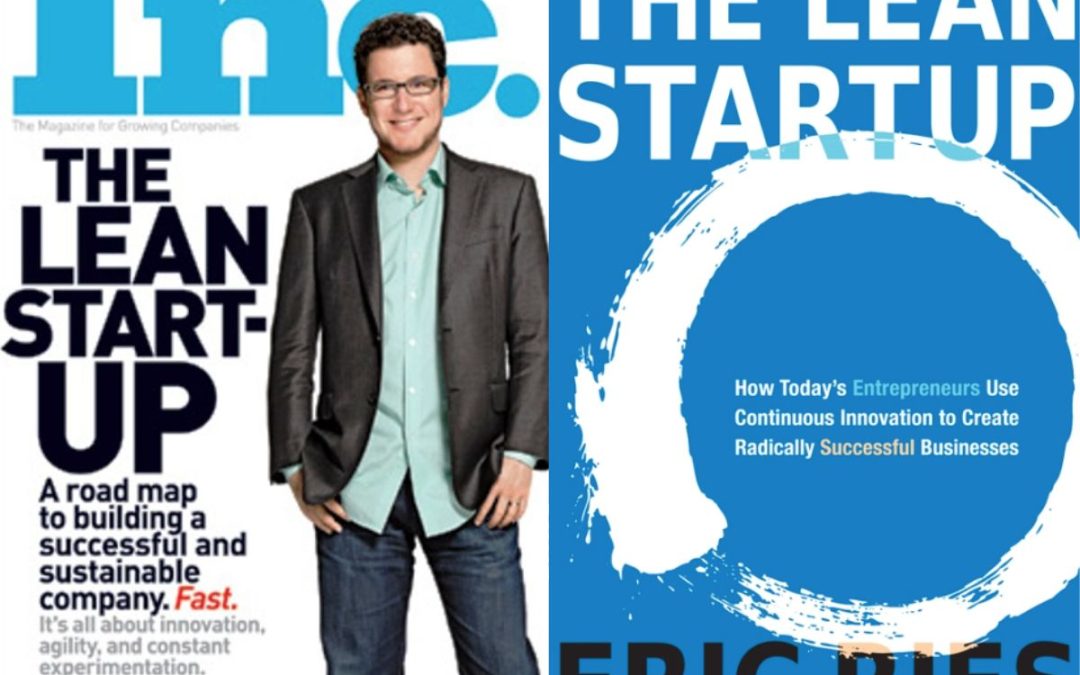
The Lean Startup philosophy is a modern approach to building new businesses that focuses on speed, learning, and adaptability. Developed and popularized by entrepreneur Eric Ries, Lean Startup challenges the traditional belief that startups succeed through detailed long-term planning and large upfront investment. Instead, it encourages entrepreneurs to treat a startup as an experiment, using real customer feedback and data to guide decisions. This philosophy is especially important because startups operate in conditions of extreme uncertainty, where assumptions about the market, product, and customer needs are often untested.
At the heart of Lean Startup is the idea that startups should not aim to perfect a product before launching. Instead, they should develop a Minimum Viable Product (MVP)—a simplified version of a product with just enough features to attract early users and gather feedback. The MVP allows businesses to test whether their idea has real value without wasting time and resources. This early testing is critical because many startups fail not because they cannot build a product, but because they build something that customers do not truly want. By launching an MVP, startups can quickly confirm or reject their initial assumptions.
Another key element of Lean Startup is the Build–Measure–Learn cycle. This cycle encourages businesses to build a product or feature, measure how customers respond, and learn from the results. The goal is not to simply create things faster, but to learn faster. Each round of feedback helps entrepreneurs make better-informed decisions. If the data shows that customers are not engaging with the product or solving the problem the startup intended, the startup can adjust quickly. This constant learning process becomes a powerful tool for reducing uncertainty.
Lean Startup also introduces the concept of validated learning, meaning that progress should be measured not by how much work is completed, but by what the business has learned about the customer and the market. Instead of focusing on vanity metrics like downloads or website visits alone, Lean Startup encourages meaningful measurements such as retention rates, customer satisfaction, and willingness to pay. These insights help a startup avoid misleading signals and stay focused on building something that truly works.
One of the most valuable principles of Lean Startup is the willingness to pivot. A pivot is a strategic change in direction based on what has been learned through experimentation. Pivoting does not mean failure—it means adapting to reality. Many successful companies started with one idea and shifted after learning more about customer needs. Lean Startup supports this flexibility, helping entrepreneurs move away from unproductive paths before it becomes too costly.
Overall, Lean Startup is important because it reduces uncertainty by replacing guesswork with evidence. It helps startups avoid wasting money, time, and energy on assumptions that may be incorrect. By testing ideas early, learning from real users, and adjusting quickly, entrepreneurs increase their chances of building products that fit real market demands. In a world where change is constant and competition is high, the Lean Startup philosophy provides a practical roadmap for turning uncertainty into opportunity.
Recent Comments