
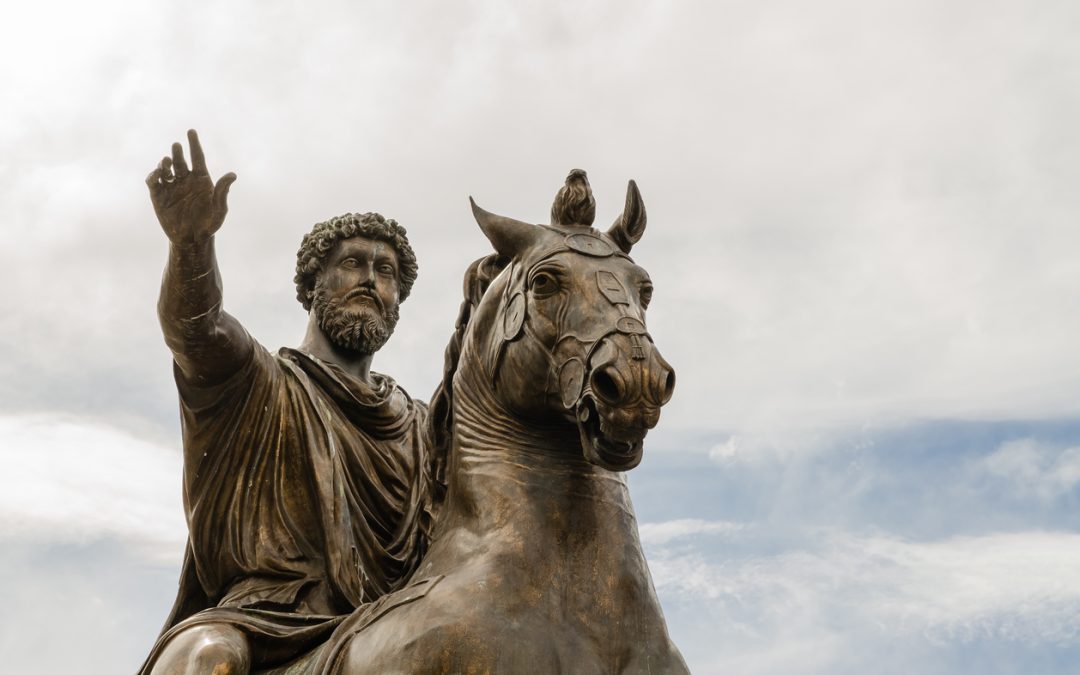
Marcus Aurelius
Marcus Aurelius, the Roman emperor and Stoic philosopher, is remembered not only for leading an empire but for his deeply human reflections on how to live well. His personal journal, Meditations, was never intended as a public book. It was written as a set of reminders—mental training for character, discipline, and inner peace. That private honesty is part of what makes his teachings so powerful today. Marcus Aurelius did not teach perfection. He taught resilience, responsibility, and wisdom in the face of life’s unavoidable challenges. Among his many lessons, several stand out as his best and most timeless teachings.
One of Marcus Aurelius’ greatest teachings is the idea that we must focus on what we can control and release what we cannot. Life constantly delivers uncertainty: other people’s actions, the past, the future, illness, setbacks, and unfairness. Marcus understood that suffering grows when we demand control over uncontrollable things. He trained his mind to return again and again to the one area where real power exists: his own thoughts, choices, and behavior. This teaching gives immediate relief. Instead of wasting energy on worry, resentment, or blame, we can redirect attention toward what is actually within our responsibility.
Another key teaching is that obstacles are not purely negative—they are raw material for virtue. Marcus believed life tests us not to punish us, but to strengthen us. Difficult people, failure, delays, and pain become opportunities to develop patience, courage, endurance, and wisdom. This is not naïve positivity. It is mental strength. A Stoic does not pretend hardship is pleasant. They recognize that hardship is inevitable, and they choose to respond in a way that builds character rather than bitterness.
Marcus Aurelius also emphasized the importance of living with integrity and moral purpose. He often reminded himself to do the right thing for its own sake, not for praise or recognition. In a world driven by approval, ego, and reputation, Marcus warned how fragile external validation can be. People change their opinions quickly. Praise fades. Status disappears. Only character remains. He taught that a person should become strong enough to stand on principle even when nobody is watching, because inner consistency is the foundation of peace.
A major theme in his teachings is humility and perspective. Marcus regularly reflected on the smallness of individual life within the vastness of time. This wasn’t meant to depress him—it was meant to free him. When you realize how temporary everything is, you stop overreacting to minor insults, disappointments, or inconveniences. You begin to see that many things that feel like emergencies are actually just passing moments. Perspective calms the mind and makes life lighter.
Marcus also taught emotional discipline. He believed that emotions are real, but they should not control our choices. He trained himself to observe reactions rather than obey them. Anger, anxiety, jealousy, and fear often arise automatically, but Marcus taught that we still have a choice in what we do next. This mindset creates maturity. It prevents impulsive behavior, reduces regret, and strengthens leadership.
Finally, Marcus Aurelius taught the value of service and cooperation. He believed humans are made to work together, like parts of a body. Even as emperor, he saw leadership as responsibility, not entitlement. Life becomes more meaningful when we contribute, show patience with others, and focus on what benefits the whole.
In summary, the best teachings of Marcus Aurelius revolve around self-control, virtue, perspective, humility, resilience, and integrity. His wisdom remains timeless because it is practical and deeply human. He reminds us that we cannot control life’s storms, but we can control how we stand in them—and that is where true strength and peace are found.
Recent Comments