
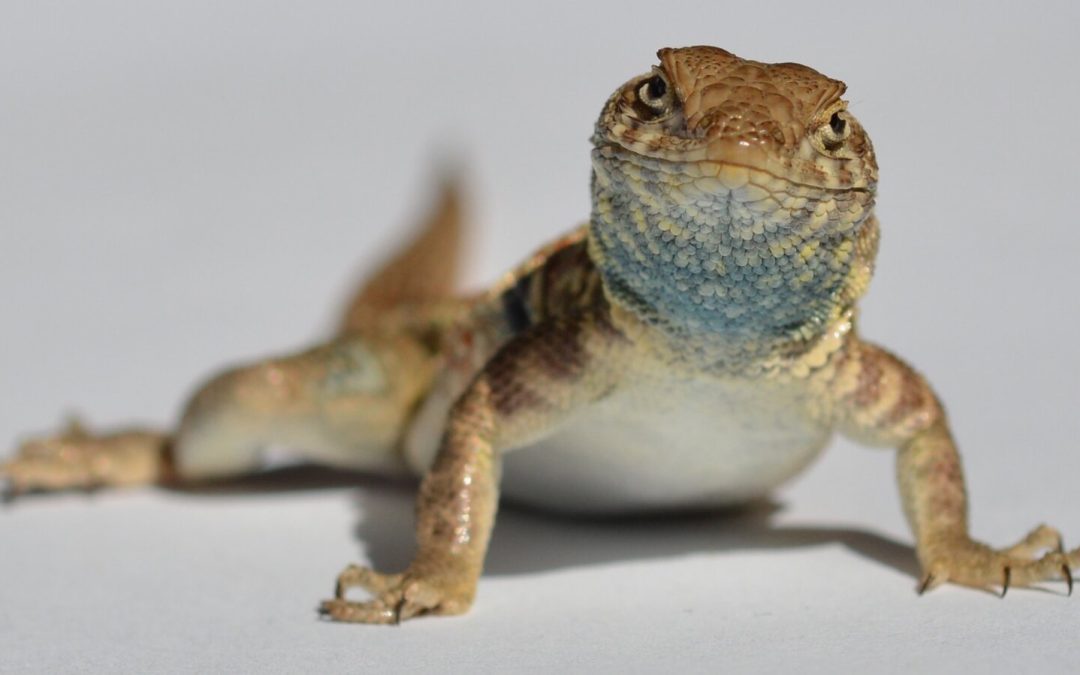
Override Your Lizard Brain
The human brain is an extraordinary tool, but it is not a unified system with a single purpose. One of its oldest components is often called the “lizard brain,” a shorthand for the primitive neural structures responsible for survival. This part of the brain evolved to keep us alive in dangerous environments by prioritizing fight, flight, and immediate gratification. It is concerned with the basics: food, shelter, safety, and reproduction. While this system once protected us from predators and starvation, it can quietly sabotage us in the modern world if left unchecked.
The lizard brain is reactive by design. It scans for threats and rewards that exist in the present moment, not in the future. When it perceives danger, it demands immediate action. When it perceives pleasure, it urges immediate consumption. This is why stress triggers impulsive decisions, why fear leads to avoidance, and why comfort is often chosen over growth. The lizard brain has no capacity for long-term thinking, delayed gratification, or abstract strategy. Concepts like compounded interest, career leverage, or investing time today for results years from now are simply invisible to it.
Modern life rarely requires us to run from predators, yet the lizard brain still reacts as if every discomfort is a threat. Learning something new feels “dangerous” because it introduces uncertainty. Saving money feels painful because it delays pleasure. Exercising, studying, or building skills feels exhausting because the payoff is not immediate. In contrast, scrolling a phone, eating junk food, or avoiding hard conversations provides instant relief. These behaviors are not moral failures; they are default responses driven by ancient wiring.
The danger lies in being held captive by this system. When the lizard brain dominates decision-making, life becomes a cycle of short-term relief followed by long-term regret. You may feel busy but make no progress. You may work hard but never get ahead. The future is perpetually sacrificed to satisfy the present. Over time, this erodes confidence and reinforces the belief that change is impossible.
Overriding the lizard brain does not mean eliminating it. It plays a vital role in keeping us safe. The goal is to place it under the guidance of higher-level thinking—the part of the brain responsible for reasoning, planning, and self-control. This begins with awareness. When you feel resistance, fear, or impulsive urges, you can label them for what they are: survival signals, not objective truths. Pausing before reacting creates space for intentional choice.
Structure also helps. Habits, routines, and environments reduce the number of decisions the lizard brain can hijack. Automating savings, scheduling learning time, and removing easy distractions make long-term behavior easier. Over time, discipline replaces willpower, and progress becomes more consistent.
Ultimately, freedom comes from thinking beyond the moment. The ability to understand delayed rewards, compounded effort, and long-term strategy is what separates growth from stagnation. When you stop letting your lizard brain run your life, you move from merely surviving to intentionally building a future.
Recent Comments