
The Value of Options
Options are one of the most powerful ideas in finance and in life because they represent something priceless: the ability to choose. An option gives you the right, but not the obligation, to take an action in the future. That single feature—flexibility without commitment—creates enormous value. Whether we are talking about stock options, business strategy, or personal decisions, options protect us from downside while preserving the chance to benefit from upside. In uncertain environments, having options is often more valuable than having certainty.
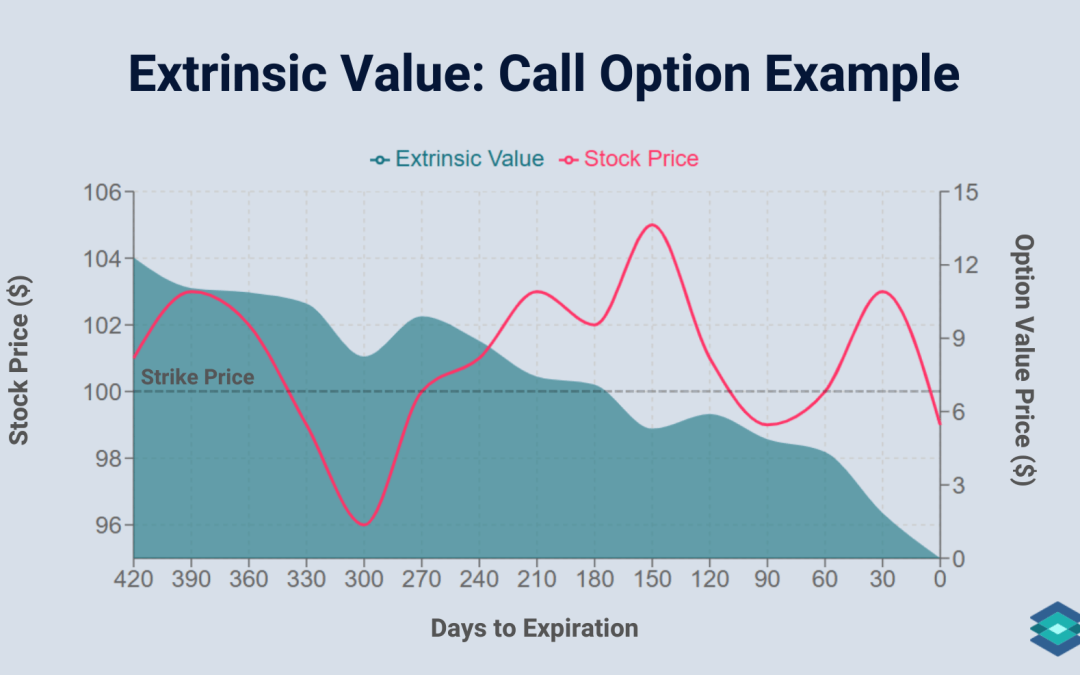
In finance, stock options are a clear and measurable example of this concept. A call option gives the holder the right to buy a stock at a certain price (the “strike price”) before a certain date. A put option gives the right to sell. The option holder can wait, gather information, and decide later. If the market moves in their favor, they can exercise the option and profit. If it moves against them, they can let the option expire and limit their loss to the premium they paid. That combination—limited downside and asymmetric upside—is why options are such a powerful financial tool.
The Black-Scholes model, one of the most famous discoveries in modern finance, helps explain what an option is worth. It is a mathematical formula used to estimate the fair price of a stock option based on key factors such as the stock’s current price, the strike price, the time until expiration, interest rates, and most importantly, volatility. One of the biggest insights behind Black-Scholes is that uncertainty itself has value. The more volatile and unpredictable the market, the more valuable an option becomes, because volatility increases the chance of a large favorable move. In other words, when outcomes are uncertain, flexibility becomes an asset.
That same principle applies beyond the stock market. In business, companies that create options for themselves survive and win more often. Having multiple revenue streams, building strong partnerships, maintaining cash reserves, developing adaptable talent, and staying close to customers all create strategic optionality. A business with options can pivot when conditions change. A business with no options becomes fragile. It depends on one product, one channel, or one buyer—and when that breaks, there is no flexibility. Optionality is resilience.
Options are also valuable in personal life. Education, skills, good health, and strong relationships all create more choices. The person who builds useful abilities has more career paths available. The person who manages money wisely has more freedom to take risks or walk away from toxic environments. The person who maintains their health has more energy and capacity to pursue goals. When people ignore optionality, they often end up trapped—not because life is unfair, but because their past decisions removed their ability to choose.
The value of options is most visible when life becomes unpredictable. During a crisis—economic changes, job loss, illness, unexpected responsibility—the people who have options feel less panic. They have backup plans, resources, and flexibility. They may not have control over the event, but they have control over their response. Options provide breathing room, and breathing room provides power.
However, options are not free. In finance, you pay a premium. In life, you pay in discipline, effort, planning, and delayed gratification. Building optionality often means doing the hard thing today to protect the future. It means saving instead of spending, learning instead of coasting, and preparing before problems arrive.
Ultimately, the value of options comes down to freedom. Options reduce risk, increase opportunity, and make you harder to break. In markets and in life, the future is uncertain. That uncertainty is unavoidable. But by building optionality, you turn uncertainty from a threat into an advantage—because the more the world changes, the more valuable flexibility becomes.
Recent Comments