
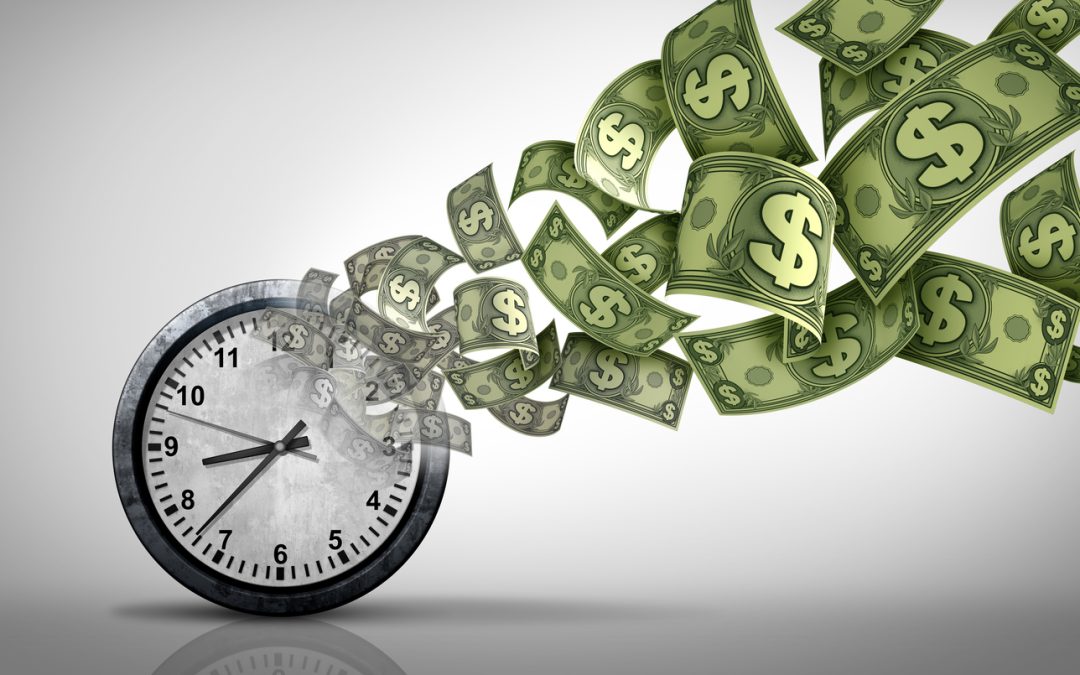
Time is Money
The saying “time is money” is often used to emphasize efficiency or productivity, but its deeper meaning is far more personal. Time is not just a financial concept; it is the most limited resource we possess. Unlike money, time cannot be saved, borrowed, or recovered. Every day, whether we are intentional or not, we spend it. The question is not whether we use our time, but how we choose to allocate it—and what those choices ultimately produce.
Time functions much like capital. It can be invested, wasted, or consumed. When invested wisely, it compounds. Learning a new skill, improving health, building relationships, or developing expertise all require time up front and often deliver returns far into the future. These investments may not provide immediate gratification, but they increase opportunity, resilience, and freedom over time.
At the same time, not all time needs to be productive in an economic sense. Rest, sleep, and entertainment play essential roles in sustaining energy and mental health. The problem arises when consumption replaces intention—when time is spent automatically rather than deliberately. Endless distraction may feel like rest, but it often leaves people more exhausted, not restored.
Every hour spent is a vote for the kind of life one is building. Allocating time to learning creates growth. Allocating time to service creates value. Allocating time to reflection creates clarity. Conversely, consistently allocating time to avoidance or passive consumption limits future options. The quality of our lives is not shaped by single decisions, but by patterns of time use repeated over years.
Time also determines earning potential. Skills, experience, and credibility are built through sustained effort. Those who invest time into developing rare or valuable abilities increase their capacity to provide services that others are willing to pay for. In this way, time literally becomes money—not through haste, but through patience and focus.
Yet time’s value extends beyond financial outcomes. Relationships are built through presence. Health is maintained through consistent care. Meaning is discovered through engagement rather than accumulation. When time is treated as infinite, it is often wasted. When its expiration is acknowledged, it becomes precious.
Importantly, everyone begins with the same daily allotment. No one receives more hours than anyone else. The difference in outcomes lies not in access to time, but in how it is used. Two people may spend eight hours a day very differently—one investing in growth and contribution, the other drifting without intention. Over years, these differences compound dramatically.
Understanding that time expires changes priorities. It encourages reflection before commitment and discernment before distraction. It invites people to ask whether their daily activities align with their long-term values. Busy does not always mean effective, and efficiency without purpose can still lead to regret.
Ultimately, “time is money” is incomplete on its own. Time is life. How we spend it determines not just what we earn, but who we become. When time is treated as a resource to be invested rather than consumed, it becomes the foundation for a higher quality, more intentional life.
Recent Comments