
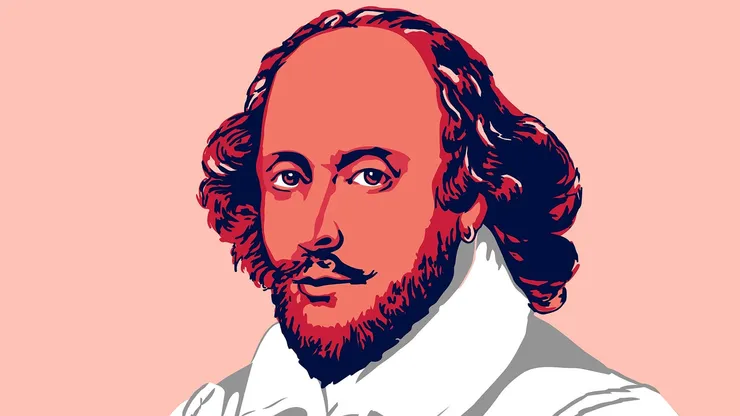
To Thine Own Self be True
“To thine own self be true,” a line from Shakespeare’s Hamlet, has endured for centuries because it captures a timeless and deeply human challenge: the struggle to live authentically in a world full of expectations, pressures, and competing voices. At its core, the quote is a call to integrity—to align one’s actions, values, and identity rather than shaping oneself solely to gain approval or avoid conflict. While deceptively simple, being true to oneself is often one of life’s most demanding tasks.
From an early age, people learn to adapt. Families, schools, workplaces, and cultures all reward certain behaviors and discourage others. This adaptation is necessary to function in society, but it can gradually blur the line between who we are and who we think we are supposed to be. Over time, choices may be guided less by inner conviction and more by fear of judgment or desire for validation. In this context, Shakespeare’s advice feels almost radical: listen inward before responding outward.
Being true to oneself does not mean acting on every impulse or rejecting all compromise. Authenticity is not selfishness. Rather, it involves a thoughtful understanding of one’s values, strengths, and limits, and making decisions that honor them. A person who knows what they stand for can still collaborate, adapt, and grow—but without losing their moral center. This kind of self-knowledge provides a stable foundation in moments of uncertainty or pressure.
Living authentically also requires courage. Truthfulness to oneself often comes at a cost. It may mean declining opportunities that look impressive but feel hollow, speaking up when silence would be easier, or changing direction when persistence is praised. The risk of disappointing others is real, but so is the deeper risk of disappointing oneself. Over time, small acts of self-betrayal accumulate, leading to regret, resentment, or a sense of emptiness that success alone cannot fill.
Importantly, being true to oneself is not a fixed destination but an ongoing practice. People evolve, values mature, and circumstances change. Authenticity requires regular reflection and honesty: Who am I becoming? Does this path still fit? The willingness to ask these questions—and to adjust accordingly—is itself an expression of integrity.
In the end, “to thine own self be true” is less about perfection and more about alignment. When actions reflect inner truth, life feels more coherent, even when it is difficult. Trust builds—both self-trust and trust from others—because consistency replaces performance. Shakespeare’s enduring wisdom reminds us that while the world may reward conformity, fulfillment comes from sincerity. By honoring our inner compass, we gain not only clarity but also the quiet confidence that comes from living a life that is genuinely our own.
Recent Comments