
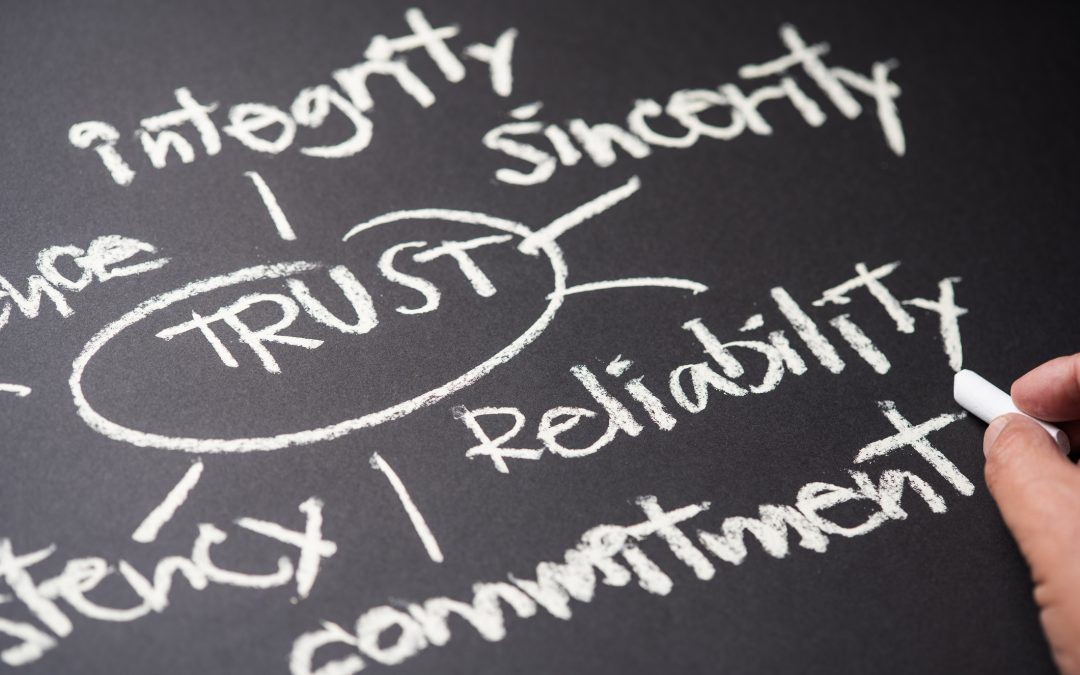
Types of Trust
Trust is one of the most valuable forces in human relationships, business, and society. It is the invisible foundation that allows people to cooperate, build, and move forward together. Yet trust is also fragile. It can take years to build through consistent behavior, small promises kept, and reliability over time—only to be destroyed in a single moment of dishonesty, carelessness, or betrayal. Once broken, trust may be difficult to repair, and in many cases it can feel impossible to regain fully. Even when people forgive, the memory of the breach can linger, changing how they interpret every future action.
One reason trust is so powerful is that it is cumulative. Each interaction becomes a deposit or a withdrawal in a mental “trust account.” When someone does what they say they will do, they create stability and confidence. But when they act unpredictably or violate expectations, doubt begins to replace certainty. The tragedy is that trust often collapses faster than it grows. A hundred good moments may be overshadowed by one damaging choice, because trust is not just based on history—it is based on the belief that the future will be safe.
There are several key types of trust, and understanding them helps clarify why trust can break in different ways. The first type is trust in someone’s honesty and integrity. This is the belief that a person will tell the truth, keep promises, and act ethically even when it is inconvenient. Integrity-based trust is deeply personal. If someone lies, cheats, or manipulates, it creates a fear that nothing they say can be trusted. When honesty is gone, the relationship becomes unstable, because words no longer carry weight. This kind of broken trust is often the hardest to repair, because it calls into question a person’s character rather than a single mistake.
The second type is trust in someone’s ability to perform a task. This is competence-based trust: the confidence that a person has the skills, experience, and judgment to do what is required. Even well-intentioned people can lose trust if they consistently fail to deliver results, miss deadlines, or make avoidable mistakes. In professional settings, this type of trust is essential because it affects outcomes, safety, and performance. The good news is that competence-based trust can sometimes be rebuilt through improvement, training, and consistent execution—though it still takes time.
The third type is trust that someone has your best interests at heart. This is care-based trust, often built through loyalty, empathy, and a sense of mutual respect. It is the belief that the other person won’t take advantage of you, even if they have the opportunity. When people feel that someone is selfish, dismissive, or using them as a tool rather than valuing them as a person, this form of trust erodes. Betrayals of this kind cut deeply because they strike at emotional safety, not just logic or performance.
Trust does not exist only between individuals—it also exists between brands and customers. In many ways, brand is an extension of trust. A strong brand represents a promise: that a product will work, that a company will stand behind what it sells, and that it will treat customers fairly. When a brand is trusted, people buy with confidence, recommend it to others, and remain loyal even when competitors appear. But if a brand violates that trust—through poor quality, misleading messaging, or unethical behavior—customers may leave instantly, often for good.
In the end, trust is earned slowly and lost quickly. It is one of the few things that cannot be demanded, only demonstrated. Whether in friendship, leadership, or business, trust is not just a nice-to-have—it is the core currency of long-term success.
Recent Comments