
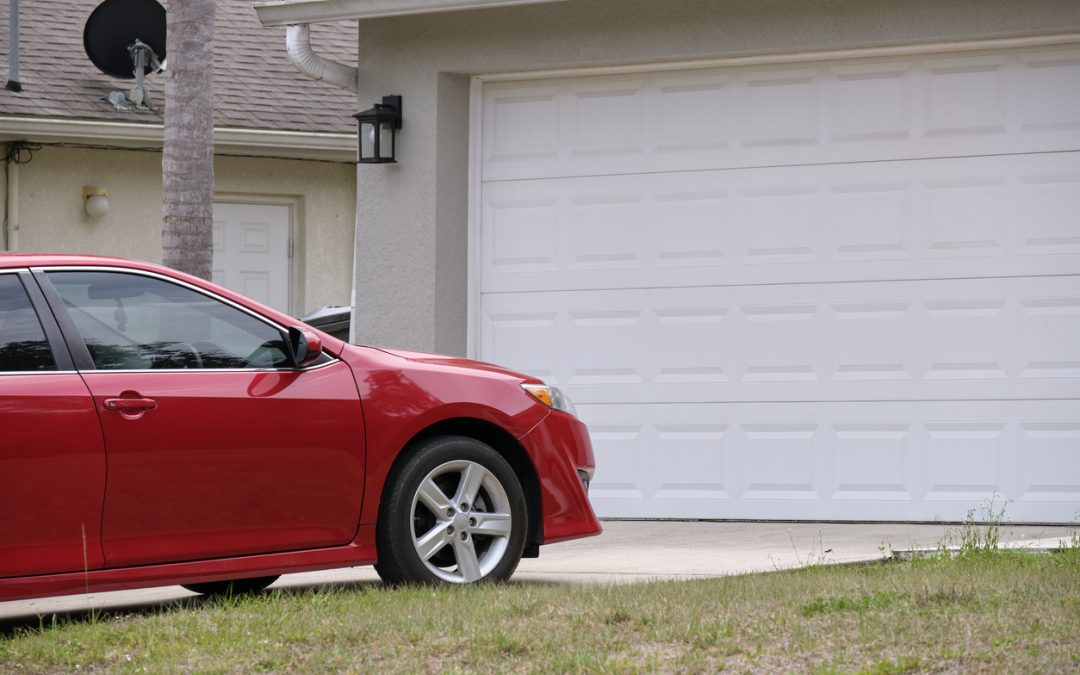
Who Really Owns Your House or Car
When people say they “own” their house or car, what they usually mean is that their name is on the deed or the title. But in many cases, ownership is more complicated than that. If you are making monthly payments on a mortgage or auto loan, the bank has a powerful claim on that property. Until the loan is fully repaid, your ownership is shared in a very real sense. The bank may not live in your house or drive your car, but it holds a legal right that can override yours if you fail to meet your obligations.
Most homes and many cars are purchased using borrowed money. These are often collateralized loans, meaning the asset itself serves as security for the debt. Because the lender can seize the property if the borrower defaults, the bank takes on less risk. Lower risk for the lender usually means lower interest rates for the borrower. That is why mortgages and auto loans typically have lower interest rates than credit cards or unsecured personal loans. The house or car acts as collateral, reassuring the bank that it has a way to recover its money.
However, the presence of collateral also changes the nature of ownership. With a mortgage, you may hold the title to the home, but the lender places a lien on the property. This lien gives the bank the legal right to foreclose if you stop making payments. In the case of a car loan, the lender often retains the title or is listed as a lienholder until the loan is satisfied. If payments are missed, the car can be repossessed. In both cases, your control over the asset is conditional on honoring the loan agreement.
This conditional ownership highlights a broader financial reality: debt shapes control. Even though you live in the house and maintain it, your rights are limited by the terms of your loan. You cannot sell the property freely without paying off the lender. You must maintain insurance coverage that meets the bank’s standards. You are required to make timely payments, sometimes for decades. Until the final payment is made and the lien is released, the bank’s interest in the property remains active and enforceable.
Collateralized loans are often marketed as “good debt” because they finance appreciating or necessary assets and carry relatively low interest rates. And in many cases, they are practical tools that allow people to buy homes or vehicles they could not otherwise afford upfront. But they are still loans. The lower interest rate does not eliminate the fundamental obligation: borrowed money must be repaid, with interest. The bank’s willingness to offer favorable terms depends entirely on its secured claim to your property.
True ownership, in the fullest sense, arrives only after the final payment clears and the lien is removed. At that point, no institution can take the property from you for nonpayment of that specific debt. Until then, your house or car exists in a shared legal space — used by you, but ultimately backed by the bank’s financial power.
So who really owns your house or car? If you are still making payments, the honest answer is: you do, but only partially. The bank owns a claim on it, and that claim carries real authority. Ownership, in the modern financial system, is often less about possession and more about who holds the final legal leverage.
Recent Comments