
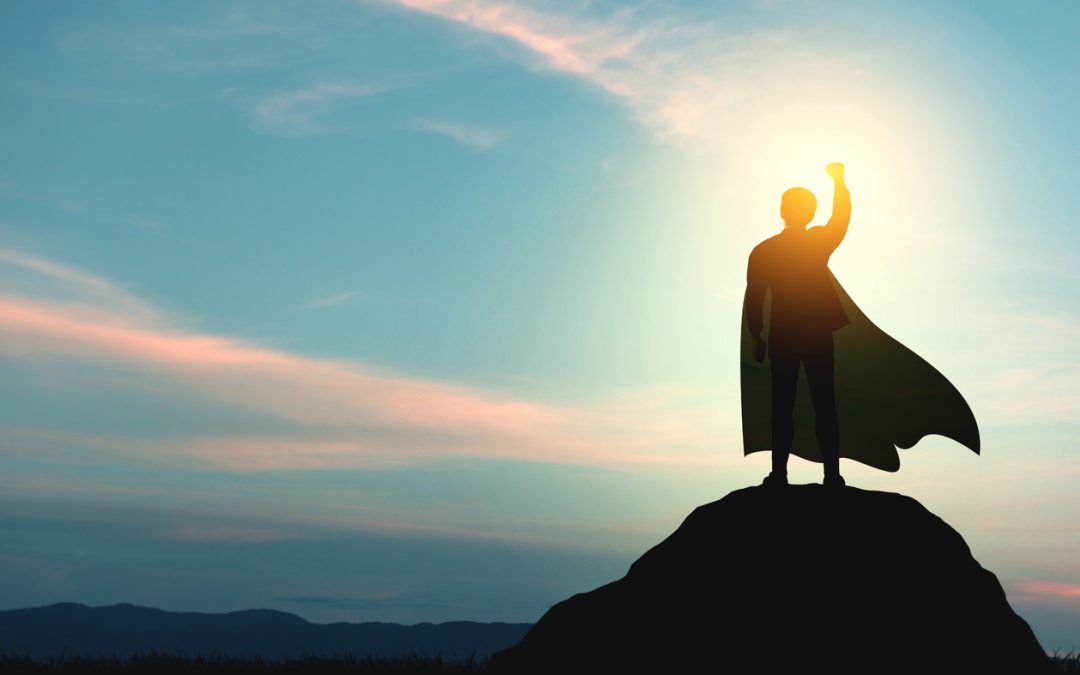
Why We Love Heroes
Human beings have always loved heroes. From ancient myths like Hercules to modern icons like Superman, Batman, Iron Man, and Spider-Man, heroic figures appear in every culture and time period. They fill our stories, movies, books, and imaginations. We cheer for them, imitate them, and sometimes even shape our identities around them. This consistent attraction suggests that hero stories aren’t just entertainment—they meet deep psychological needs. Heroes reflect what we fear, what we admire, and what we hope we can become.
One reason we like heroes is that they represent the ideal version of human potential. Hercules symbolizes strength and endurance. Superman represents moral clarity and unstoppable power used for good. Batman embodies discipline, willpower, and sacrifice. Iron Man shows intelligence, reinvention, and overcoming personal flaws. Spider-Man captures the struggle of balancing ordinary life with extraordinary responsibility. Each hero is exaggerated, but the qualities they represent are real aspirations: courage, resilience, integrity, and purpose. Heroes make these traits visible and dramatic, helping us imagine what it looks like to live with meaning.
There is also a psychological comfort in seeing order imposed on chaos. Real life often feels uncertain, unfair, and confusing. Bad things happen to good people. Effort doesn’t always get rewarded. But heroic stories promise something we deeply crave: that the world can be confronted and improved. Even when the hero suffers, the story usually shows that struggle matters, and that good can ultimately overcome evil. In that sense, heroes restore our faith in the idea that actions have meaning. They give us a narrative where justice is possible, and where the powerless can still fight back.
Heroes also help people process fear. Most villains represent threats we can’t easily control: violence, corruption, greed, chaos, or the darker parts of ourselves. When a hero faces these forces and survives, it becomes a kind of emotional training. We get to experience danger from a safe distance, and we get to rehearse courage without being harmed. The hero becomes a psychological shield—a figure who can absorb what we fear and still stand. That is why children often cling to superheroes. It is not silly; it is developmentally useful. Heroes make the world feel less overwhelming.
Another powerful reason we love heroes is that they embody transformation. Many heroes begin as incomplete or broken. Hercules has to redeem himself through trials. Batman begins with trauma. Iron Man begins with arrogance. Spider-Man begins with immaturity and guilt. Their journeys echo something universal: people are not born fully formed. We become who we are through hardship, failure, growth, and choice. Hero stories validate the idea that pain can be meaningful and that weakness can become strength. They remind us that character is shaped, not gifted.
Modern heroes are also appealing because they reflect our internal conflicts. Batman has no superpowers, yet he fights extraordinary evil through self-mastery. This speaks to the human belief that discipline can overcome limitation. Iron Man relies on intellect and technology, reflecting modern faith in innovation. Spider-Man’s famous theme—“with great power comes great responsibility”—captures the moral tension of adulthood: our choices affect others, and freedom comes with burdens. These heroes aren’t just fighters; they are mirrors for our own struggle to live ethically.
Ultimately, there is a deep psychological basis for why we like heroes. Heroes give us ideals to aim at, stories that make life feel coherent, and symbols that help us cope with fear and uncertainty. They inspire us to be brave when we feel small, to keep going when life feels heavy, and to believe that courage and goodness can matter. Whether ancient myth or modern comic book, the hero is a timeless figure because the human heart will always hunger for meaning, strength, and hope.
Recent Comments