
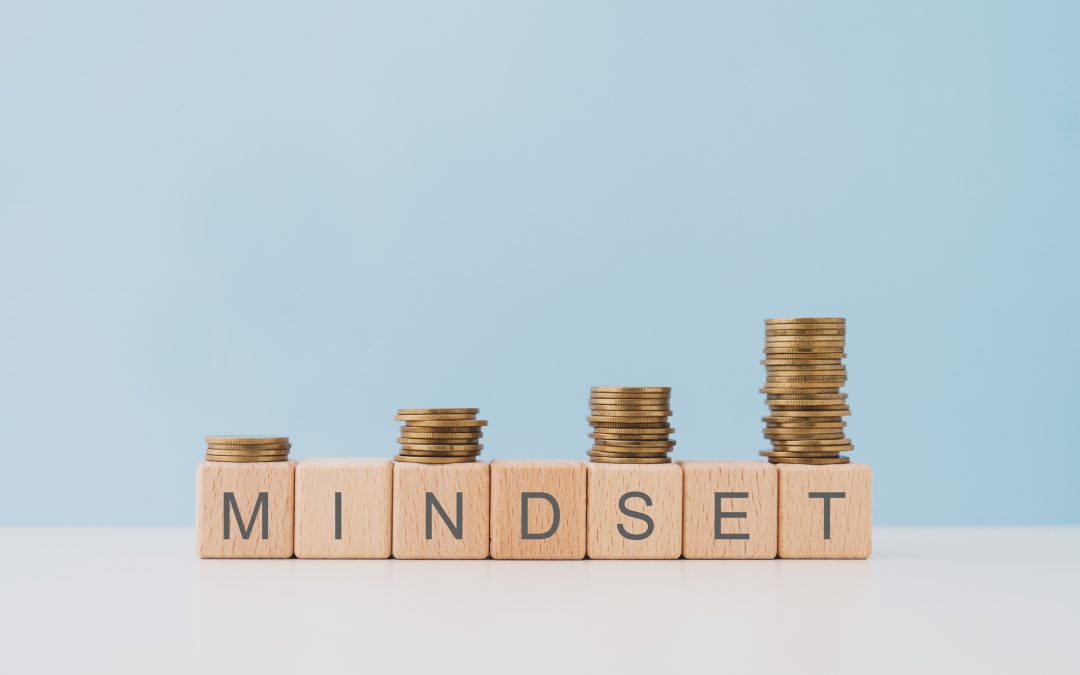
You Might be Wealthier Than You Know
Many people measure wealth with a single, narrow yardstick: cash. Bank balances, salaries, and material possessions become the shorthand for success, while anything that cannot be easily counted is often dismissed as secondary. Yet this view dramatically underestimates how wealthy most people truly are. When we broaden our understanding of wealth to include assets such as relationships, skills, talents, personal story, time, and the ability to learn, it becomes clear that many of us are far richer than we imagine.
Cash is undeniably useful. It offers security, choice, and access. But cash is also fragile and limited. It can be lost, spent, inflated away, or rendered meaningless by circumstances beyond our control. Non-monetary assets, by contrast, often appreciate over time. A strong network grows as relationships deepen. Skills compound as experience builds. Talents sharpen with use. A personal story gains power the more it is lived, reflected on, and shared. Time and learning amplify all of these, turning potential into lasting value.
Consider the people you know. Your network is not merely a list of contacts or social media connections; it is a living ecosystem of trust, goodwill, and shared history. The right conversation at the right moment can open doors that money alone cannot. Opportunities for work, collaboration, learning, and support often flow through relationships rather than transactions. In moments of crisis or transition, it is rarely cash that shows up first—it is people.
Skills and talents represent another often-overlooked currency. The ability to communicate clearly, solve problems, create beauty, organize chaos, or lead others has real and lasting value. These capabilities are portable; they travel with you across jobs, industries, and even countries. While money can be spent once, a skill can generate value repeatedly. The more it is used, the more refined and valuable it becomes. Crucially, the ability to learn ensures that skills never become obsolete. Those who can adapt, relearn, and grow are wealthy in a future-proof sense.
Time may be the most precious asset of all. Unlike money, time cannot be earned back once it is spent. How we choose to allocate it—toward relationships, mastery, health, or curiosity—determines the real return on our lives. Having even modest control over one’s time is a form of wealth that enables all others. Time invested wisely multiplies skills, strengthens bonds, and deepens understanding.
Finally, there is the wealth of your story. Every person carries a unique narrative shaped by successes, failures, risks taken, and lessons learned. Your story informs how you see the world and how the world responds to you. It can inspire, teach, warn, or connect. When paired with time and a willingness to learn from experience, that story becomes a powerful source of wisdom and credibility.
Recognizing these broader forms of wealth changes how we see ourselves and others. It shifts the focus from scarcity to abundance, from comparison to contribution. You may not feel wealthy when you look only at your bank account. But when you take stock of your time, your capacity to learn, the people who would answer your call, the skills you have earned, and the story only you can tell, a richer truth emerges: you are far wealthier than you might imagine.
Recent Comments