
Dark Triad Personalities
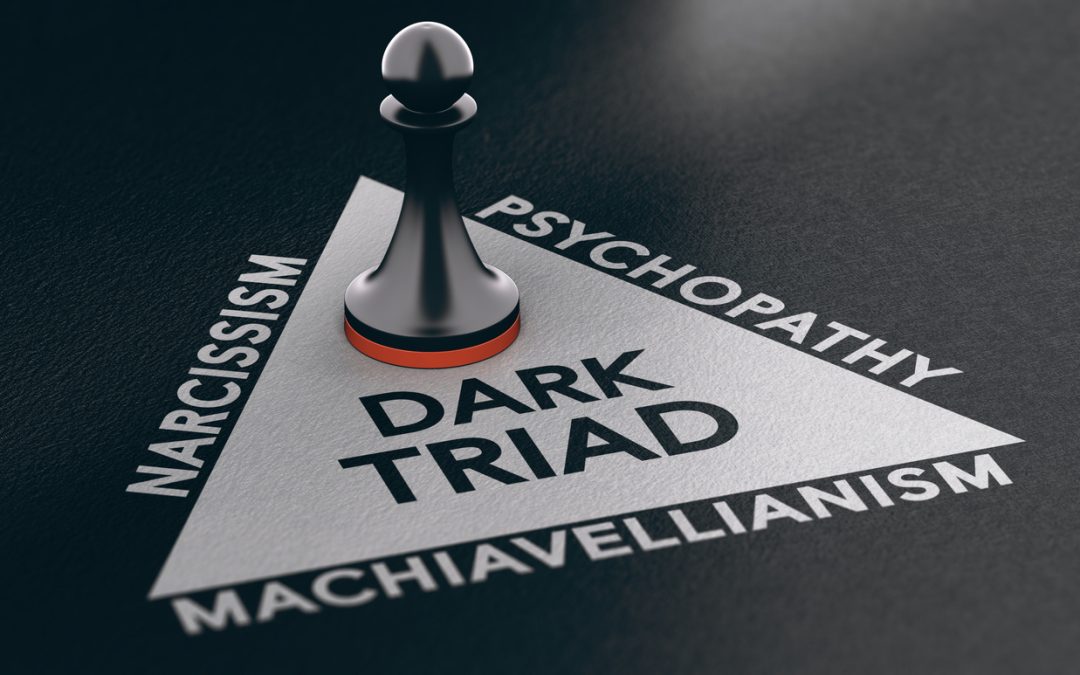
The term “Dark Triad” refers to three interrelated personality traits: narcissism, Machiavellianism, and psychopathy. While not all individuals who display these traits have a personality disorder, people who strongly embody them can be manipulative, exploitative, and emotionally harmful. Understanding the Dark Triad is important not only for personal well-being, but also for recognizing how such individuals often rise to positions of power—and how to protect oneself when dealing with them.
Narcissism is characterized by grandiosity, an inflated sense of self-importance, and a deep need for admiration. Narcissistic individuals often appear confident, charismatic, and visionary. However, beneath the surface, they may lack empathy and react poorly to criticism. Machiavellianism involves strategic manipulation, cynicism, and a focus on personal gain. Those high in Machiavellian traits are skilled at reading social dynamics and exploiting them to their advantage. Psychopathy, in this context, refers to callousness, impulsivity, and a lack of remorse. Subclinical psychopaths—those who function in society without engaging in overt criminal behavior—may be charming yet emotionally detached and risk-prone.
Dark Triad personalities are frequently found in leadership roles for several reasons. First, they tend to project confidence and decisiveness—qualities often mistaken for competence. In competitive environments, especially corporate or political ones, boldness and risk-taking can be rewarded. Narcissists actively seek leadership positions because they crave status and admiration. Machiavellians strategically maneuver their way upward, forming alliances when useful and discarding them when no longer advantageous. Individuals with psychopathic traits may remain calm under pressure and make tough decisions without emotional hesitation, which can be misinterpreted as strength.
Additionally, hiring and promotion systems often favor traits associated with the Dark Triad. Interviews reward self-promotion and assertiveness. Organizations under stress may prioritize short-term results over ethical considerations. In such environments, manipulative individuals can outperform more conscientious peers by taking credit for others’ work, deflecting blame, or using intimidation. Over time, this can create toxic cultures where fear and competition replace trust and collaboration.
Dealing with Dark Triad personalities requires awareness and strategic boundaries. The first step is recognizing the patterns: excessive self-praise, lack of accountability, emotional manipulation, gaslighting, and a tendency to exploit confidential information. Trust your observations rather than their charm. Document interactions in professional settings to protect yourself from blame-shifting or misrepresentation. Keep communication clear, factual, and concise; avoid emotional confrontations, which they may use to destabilize you.
Setting firm boundaries is essential. Do not overshare personal vulnerabilities, as these may later be weaponized. Maintain professional distance and avoid engaging in gossip or power games. When possible, build alliances with trustworthy colleagues to create a support network. If the environment becomes persistently toxic, consider whether staying is worth the psychological cost.
Importantly, not all strong or ambitious leaders are part of the Dark Triad. Confidence, strategic thinking, and emotional resilience can exist without manipulation or cruelty. The key difference lies in empathy and integrity. Healthy leaders elevate others; Dark Triad leaders exploit them.
Ultimately, awareness is protection. By understanding how these personalities operate and why they often rise to power, individuals can better navigate complex social environments. Recognizing manipulation, maintaining boundaries, and prioritizing ethical leadership can reduce their harmful impact and promote healthier, more sustainable forms of influence.
Recent Comments