
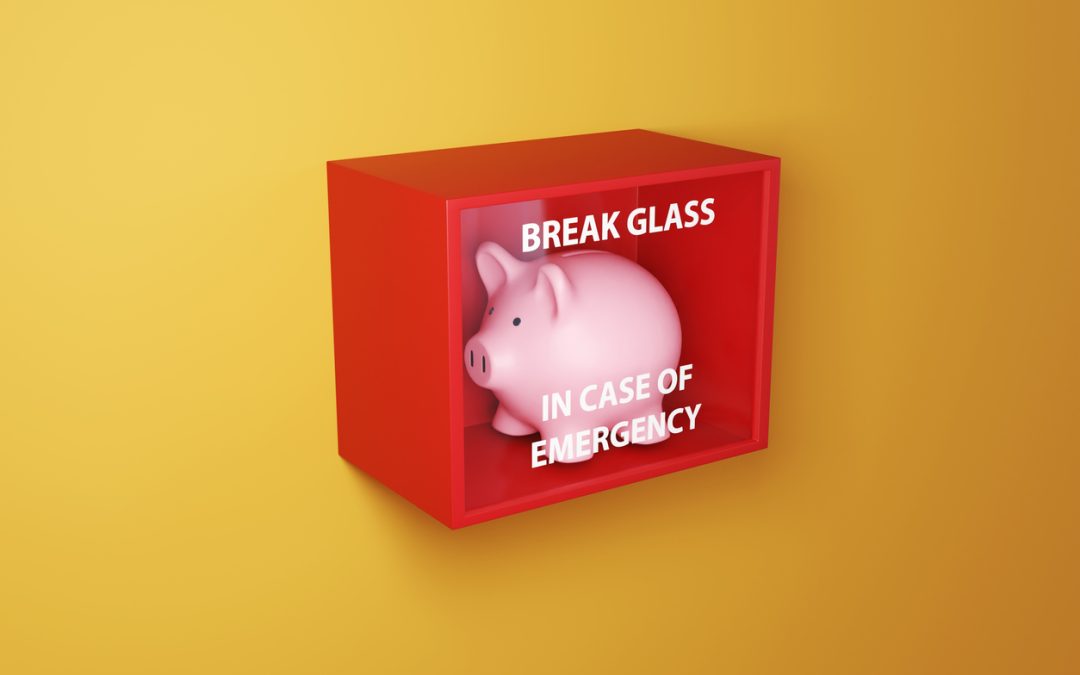
Build an Emergency Fund
Building a personal emergency fund is one of the most important steps an individual can take to achieve financial stability and long-term security. Life is unpredictable, and unexpected events—such as medical emergencies, job loss, car repairs, or urgent home maintenance—can arise at any moment. Without a financial cushion in place, these situations can quickly turn into crises that force people to rely on high-interest debt, drain long-term savings, or make decisions that compromise their future financial well-being.
An emergency fund serves as a safety net, providing immediate access to cash when it is needed most. Instead of turning to credit cards or loans, individuals with an emergency fund can handle sudden expenses without accumulating debt. This is crucial because debt, especially high-interest consumer debt, can create a cycle that is difficult to escape. By having money set aside specifically for emergencies, individuals protect themselves from this downward spiral and maintain greater control over their financial lives.
Financial coach Dave Ramsey strongly emphasizes the importance of an emergency fund as the foundation of financial health. In his widely known “Baby Steps” plan, the very first step is to save a starter emergency fund—typically $1,000—to cover small, unexpected expenses. After paying off debt, Ramsey recommends building a fully funded emergency fund that covers three to six months of living expenses. His approach highlights a key principle: before investing or focusing on wealth-building, individuals must first establish financial stability. Without this foundation, any progress made can be quickly undone by an unexpected event.
Beyond the practical benefits, an emergency fund also provides peace of mind. Financial stress is one of the leading sources of anxiety for many people. Knowing that there is a reserve of money available in case of an emergency reduces this stress significantly. It allows individuals to face uncertainty with confidence rather than fear. For example, someone who loses their job but has several months of expenses saved can focus on finding the right opportunity instead of rushing into a poor decision out of desperation.
Additionally, having an emergency fund helps protect long-term financial goals. Without one, people may be forced to dip into retirement savings or other investments during a crisis. This can be especially damaging because it interrupts compound growth and may incur penalties or taxes. In contrast, an emergency fund acts as a buffer, ensuring that long-term plans—such as retirement, education savings, or investments—remain intact even when short-term challenges arise.
Building an emergency fund requires discipline and consistency. It may start small, with modest contributions over time, but the key is to make it a priority. Setting aside even a small portion of each paycheck can gradually build a meaningful reserve. Over time, this habit not only strengthens financial security but also reinforces responsible money management.
In conclusion, a personal emergency fund is essential for navigating life’s uncertainties without jeopardizing future financial stability. It reduces reliance on debt, lowers stress, and safeguards long-term goals. As Dave Ramsey and other financial experts emphasize, it is the cornerstone of a solid financial plan. By prioritizing the creation of an emergency fund, individuals can better prepare for the unexpected and build a more secure and resilient financial future.
Recent Comments