
Learning From Hoarders
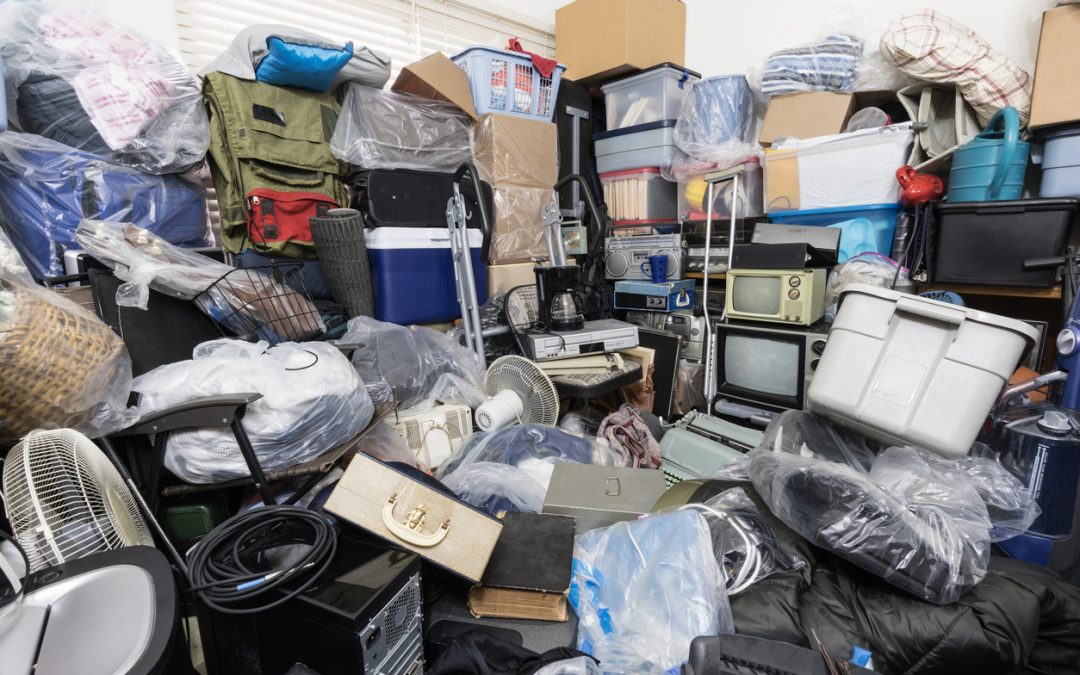
One of the most fascinating and heartbreaking realities revealed on the television show Hoarders is that the pile of possessions is rarely the real problem. The mountains of newspapers, broken appliances, old clothes, and forgotten trinkets are symptoms of something much deeper. Hoarding is often connected to anxiety, trauma, grief, obsessive-compulsive tendencies, or other mental health struggles. The clutter we see is simply the visible evidence of an invisible battle.
What strikes me most is how difficult it is for hoarders to let things go.
The irony is that professional organizers, cleanup crews, and dumpsters can clear a house in a matter of days. What took years to accumulate can disappear remarkably fast. Yet the challenge was never the physical labor. The challenge is the emotional attachment. Every object carries a story, a memory, a possibility, or a fear. Throwing away an old magazine isn’t just discarding paper; it may feel like losing a piece of oneself.
This is why many hoarders continue living in conditions that damage their health, strain their relationships, and diminish their quality of life. They often understand the consequences. They know their homes are unsafe. They know family members are frustrated. They know change is necessary. But knowing and doing are two very different things when powerful emotions are involved.
Watching these stories raises an uncomfortable question: Are we all a little like hoarders?
Most of us don’t fill our homes to the point of collapse, but we often cling to things that no longer serve us. Sometimes those things are physical possessions. More often, they are emotional possessions.
We hoard old grudges long after the conflict has ended. We hoard regrets from decisions made years ago. We hoard outdated identities, refusing to become who we are capable of becoming because we’re attached to who we used to be. We hoard fears about the future and replay failures from the past.
Like the hoarder who can’t part with a broken lamp because it might be useful someday, we hold onto beliefs, habits, and relationships that are clearly no longer helping us. We tell ourselves we’ll deal with them later. We find reasons to keep them around. Over time, they begin occupying more space than they deserve.
The lesson from Hoarders is not simply about cleanliness or organization. It’s about freedom.
Growth often requires subtraction before addition. We cannot create space for new opportunities, healthier relationships, or greater peace while every corner of our lives is occupied by things we refuse to release. Letting go is painful because it forces us to confront uncertainty. Yet refusing to let go carries its own cost.
Perhaps the most important question isn’t whether we are hoarders. It’s this: What are we holding onto that is preventing us from living fully?
The answer may not be sitting in our garage or attic. It may be sitting quietly in our hearts, waiting for us to finally release it.
Recent Comments